
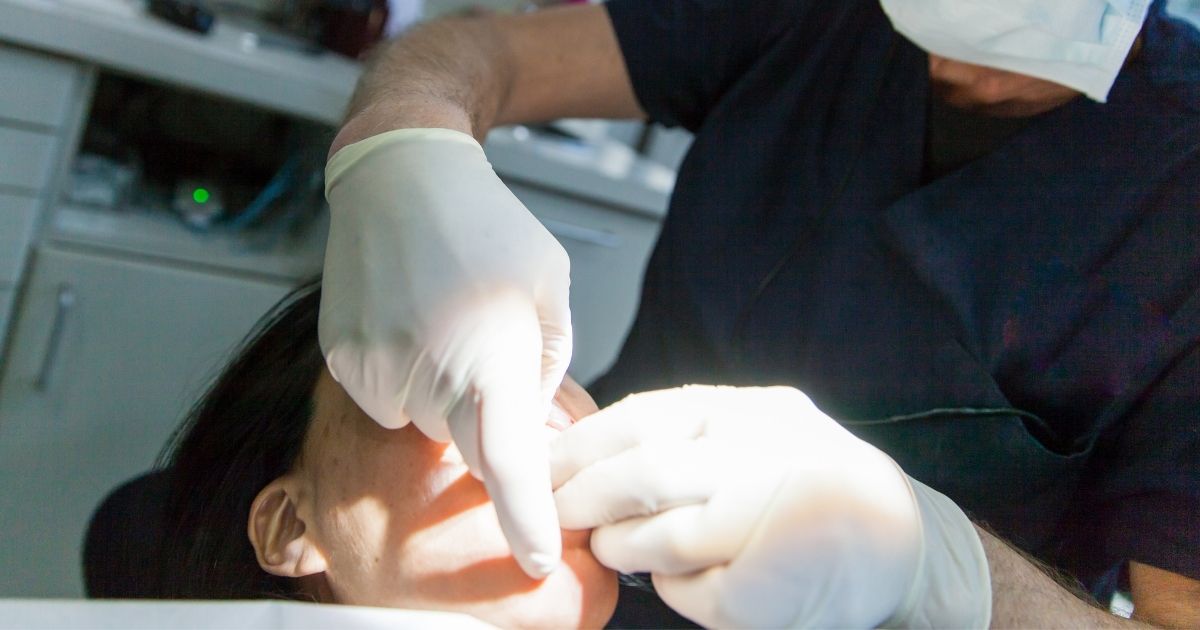
Wisdom teeth, also known as third molars, are the last set of molars to emerge in the human mouth. These teeth typically appear in late adolescence or early adulthood, often causing discomfort and dental issues due to their late arrival and limited space in the jaw. Wisdom teeth removal, also known as wisdom teeth surgery, is a common dental procedure aimed at addressing these problems. In this comprehensive guide, we will explore everything you need to know about wisdom teeth removal, from understanding the procedure to post-operative care.
Understanding Wisdom Teeth
Wisdom teeth are vestiges from our evolutionary past when our ancestors had a diet that consisted of raw, unprocessed food that required more chewing power. As a result, they had larger jaws and more teeth. However, modern humans have evolved to have smaller jaws, which often do not provide enough space for the wisdom teeth to emerge properly. This misalignment can lead to various dental issues, making wisdom teeth removal a necessary step in maintaining oral health.
When Is Wisdom Teeth Removal Necessary?
Wisdom teeth removal becomes necessary when these third molars start causing problems. Here are some common reasons why individuals opt for wisdom teeth surgery:
- Impaction: One of the most frequent issues with wisdom teeth is impaction, where the tooth does not have enough space to grow properly and becomes trapped in the jawbone or gums. Impacted wisdom teeth can cause severe pain, infection, and damage to surrounding teeth.
- Crowding: Wisdom teeth can exert pressure on the adjacent teeth, causing them to shift or become misaligned. This can result in bite problems and discomfort.
- Infection: Partially erupted wisdom teeth are susceptible to infection as bacteria can easily accumulate around the gum flap covering the tooth. This can lead to painful swelling and inflammation.
- Cysts and Tumors: In rare cases, wisdom teeth may lead to the development of cysts or tumors in the jawbone. These growths can cause more severe complications if left untreated.
- Decay and Gum Disease: Wisdom teeth are often located at the back of the mouth, making them difficult to clean properly. This can lead to decay and gum disease, potentially affecting neighboring teeth as well.
The Wisdom Teeth Removal Procedure
Before undergoing wisdom teeth removal, it’s crucial to consult with a dental professional who will evaluate your specific situation through X-rays and a thorough examination. Based on their assessment, they will determine whether wisdom teeth surgery is necessary and discuss the details of the procedure with you.
- Anesthesia: Wisdom teeth removal is typically performed under local anesthesia, which numbs the area around the teeth, or under general anesthesia, which renders you unconscious during the procedure. Your dentist or oral surgeon will decide the most appropriate anesthesia option for your case.
- Incision: If the wisdom tooth has fully erupted, a simple extraction may be possible. However, if the tooth is impacted or only partially erupted, an incision will be made in the gum tissue to access the tooth and bone.
- Removal: Using specialized dental instruments, the dentist or oral surgeon will carefully extract the wisdom tooth from its socket in the jawbone. In some cases, the tooth may need to be divided into smaller pieces for easier removal.
- Closure: After the tooth is removed, the incision is closed with dissolvable sutures. These sutures will gradually dissolve as your mouth heals.
- Recovery: You will be given post-operative care instructions to minimize discomfort and promote healing. Recovery time varies from person to person, but most individuals can return to their normal activities within a few days to a week.
Benefits Of Wisdom Teeth Removal
Wisdom Teeth Removal Offers Several Benefits, Including:
- Pain Relief: Wisdom teeth often cause pain and discomfort. Removal eliminates this source of pain, allowing you to enjoy a more comfortable and pain-free oral health.
- Preventing Dental Issues: By removing problematic wisdom teeth, you can prevent potential dental issues like impaction, infection, crowding, and damage to adjacent teeth.
- Improved Oral Health: Wisdom teeth removal contributes to better overall oral health by reducing the risk of decay, gum disease, and other complications.
- Preventing Cysts and Tumors: Eliminating the risk of cysts and tumors associated with wisdom teeth can prevent more serious health concerns in the future.
Post-Operative Care
Proper post-operative care is essential for a smooth recovery after wisdom teeth surgery. Here are some tips to help you during this crucial phase:
- Pain Management: It’s common to experience some pain and swelling after the procedure. Your dentist will prescribe pain medication and recommend over-the-counter pain relievers as needed.
- Swelling: Applying an ice pack to the affected area can help reduce swelling. Be sure to follow your dentist’s instructions regarding the frequency and duration of ice pack use.
- Diet: Stick to a soft diet for the first few days after surgery. Avoid hard, crunchy, or spicy foods that can irritate the surgical site. Opt for smoothies, soups, yogurt, and mashed potatoes.
- Oral Hygiene: Continue brushing your teeth, but be gentle around the surgical area to avoid disturbing the sutures. Rinse your mouth with warm saltwater as directed by your dentist to keep the area clean.
- Rest: Rest is essential for a speedy recovery. Avoid strenuous activities, and get plenty of rest in the days following the procedure.
- Follow-Up Appointments: Attend all scheduled follow-up appointments with your dentist or oral surgeon to monitor your healing progress and ensure there are no complications.
Potential Complications
While wisdom teeth removal is a common and safe procedure, complications can arise. It’s essential to be aware of these potential issues and promptly seek help if you experience any of them:
- Dry Socket: This painful condition occurs when the blood clot that forms in the socket after extraction is dislodged or dissolves prematurely, exposing the underlying bone. Dry socket requires immediate treatment by a dentist.
- Infection: Infection can develop at the surgical site or in the surrounding tissues. Signs of infection include increased pain, swelling, and discharge. Antibiotics may be necessary to treat the infection.
- Nerve Damage: In rare cases, wisdom teeth removal can result in nerve damage, causing numbness or tingling in the lower lip, tongue, or chin. This typically improves over time but may be permanent in some cases.
- Bleeding: Some bleeding is normal after the procedure, but excessive bleeding may indicate a problem. If bleeding persists or worsens, contact your dentist or oral surgeon.
Conclusion
Wisdom teeth removal, also known as wisdom teeth surgery, is a common dental procedure aimed at addressing the problems caused by the late emergence and misalignment of third molars. If you are experiencing pain, discomfort, or other issues related to your wisdom teeth, consult with a dental professional to determine the best course of action. Remember that proper post-operative care is crucial for a smooth recovery, and any complications should be promptly addressed. With the right guidance and care, you can enjoy improved oral health and a pain-free smile after wisdom teeth removal.