
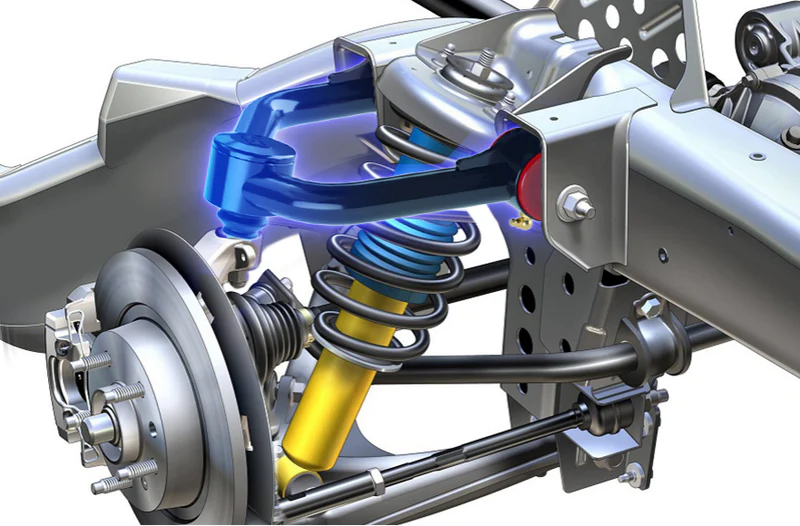
Welcome to our in-depth guide on upper control arms! Whether you’re a car enthusiast or a regular driver, understanding these crucial components can significantly impact your vehicle’s performance and safety. In this article, we’ll cover everything from what KSP upper control arms are to how to choose the right ones for your car. Let’s dive in!
What Are Upper Control Arms?
Upper control arms, often called upper A-arms, are vital parts of a vehicle’s suspension system. They are crucial in maintaining stability, controlling wheel movement, and ensuring a smooth ride. These arms connect the vehicle’s frame to the suspension components, allowing for controlled motion.
Functions of Upper Control Arms
The primary functions of upper control arms include:
Maintaining Wheel AlignmentOne of the key roles of upper control arms is to help keep the wheels aligned properly. This ensures even tire wear and optimal handling.
- Absorbing Shock and Impact
Upper control arms work in tandem with the suspension system to absorb shocks and impacts from uneven road surfaces, providing a comfortable ride for passengers.
- Controlling Camber Angle
They also play a significant role in controlling the camber angle, which is the tilt of the wheels relative to the road. Proper camber angle ensures even tire contact for better traction.
Signs of a Failing Upper Control Arm
Spotting signs of a failing upper control arm early can prevent further damage to your vehicle. Look out for these indicators:
- Unusual Noises
Squeaking or clunking looks when driving over bumps or making turns may signal worn-out control arm bushings.
- Uneven Tire Wear
Uneven wear on your tires can indicate an issue with the control arms, particularly if it’s concentrated on one side.
- Poor Handling
If you notice your vehicle pulling to one side or experiencing difficulty steering, it could be due to a faulty upper control arm.
- Vibrations in the Steering Wheel
Excessive vibrations in the steering wheel, especially at higher speeds, maybe a sign of a failing upper control arm.
Importance of Regular Maintenance
Proper maintenance of your upper control arms is essential for the longevity and performance of your vehicle. Regular inspections and timely replacements of worn-out components can save you from costly repairs.
Choosing the Right Upper Control Arm
Selecting your vehicle’s upper control arm is crucial for optimal performance. Factors to consider include:
- Vehicle Make and Model
Different vehicles have unique specifications. Ensure you choose a control arm compatible with your car’s make and model.
- Material and Build Quality
Opt for control arms made from durable materials like forged steel or aluminum, as they offer better longevity and performance.
- Bushings and Ball Joints
Quality bushings and ball joints are essential for smooth operation and longevity. Look for components made from high-grade materials.
DIY vs. Professional Installation
Deciding between a DIY installation and professional help depends on your mechanical expertise and available tools. While a DIY approach can be cost-effective, professional installation ensures precision and safety.
Step-by-Step Guide for DIY Installation
If you’re confident in your mechanical skills, here’s a basic guide for DIY installation:
Step 1: Gather Tools and Equipment
Ensure you have all necessary tools, including a jack, jack stands, wrenches, and a torque wrench.
Step 2: Lift the Vehicle
Safely lift the vehicle and secure it on jack stands, ensuring it’s stable.
Step 3: Remove the Old Control Arm
Unbolt the old control arm from the frame and suspension components. Please take note of how it’s positioned for reference.
Step 4: Install the New Control Arm
Position the new control arm and attach it securely using the appropriate torque specifications.
Step 5: Reassemble and Test
Reattach any other components you removed, lower the vehicle, and test its stability.
Common Mistakes to Avoid
When replacing upper control arms, steer clear of these common errors:
- Neglecting Bushings and Ball Joints
Failing to inspect or replace worn-out bushings and ball joints can lead to premature control arm failure.
- Improper Torque Settings
Using incorrect torque settings during installation can result in uneven wear and reduced performance.
- Skipping Alignment
Failure to perform a wheel alignment after installing new control arms can lead to handling issues and uneven tire wear.
Benefits of Upgrading Upper Control Arms
Upgrading to high-performance upper control arms offers several advantages, including:
- Improved handling and cornering capabilities.
- Enhanced suspension performance for off-road enthusiasts.
- Increased durability and longevity, especially under heavy loads.
Top Brands for Upper Control Arms
When it comes to reliable upper control arms, consider these reputable brands:
- Moog
- ACDelco
- TRW Automotive
- Mevotech
How to Extend the Lifespan of Upper Control Arms
Ensuring the longevity of your upper control arms involves:
- Avoiding Harsh Driving Conditions
Minimize exposure to extreme off-road conditions or rough terrains to prevent unnecessary stress on the control arms.
- Maintaining Proper Wheel Alignment
Regularly schedule wheel alignments to ensure even tire wear and optimal handling.
Conclusion
Understanding the importance of upper control arms in your vehicle’s suspension system is crucial for safe and efficient driving. By recognizing signs of wear and performing regular maintenance, you can strengthen the lifespan of these vital components. Whether you tackle the installation yourself or seek professional help, prioritizing the health of your control arms will undoubtedly enhance your driving experience.