
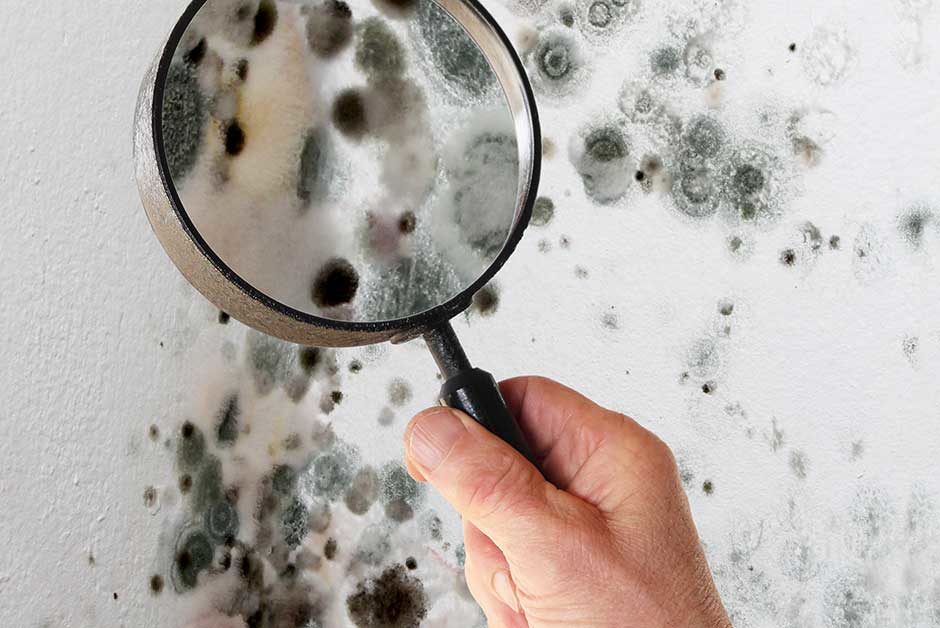
Mold is a topic that’s often misunderstood, but it’s an important one to address, especially for those concerned about their health. In this blog, we’ll delve into what is mold, its various types, how it can affect your health, and why it can be hazardous.
What is Mold?
Mold is a type of fungus that thrives in moist environments. These microorganisms break down dead material and recycle nutrients back into the environment. While molds play a significant role in nature, they can become a problem when they grow indoors. Mold spores are airborne and can easily make their way into your home, where they can grow on walls, ceilings, and other surfaces if the conditions are right.
Types of Mold
There are several types of mold, but they generally fall into three categories:
-
Allergenic Molds: These molds are usually not life-threatening but can cause allergic reactions or asthma symptoms. Examples include Alternaria and Cladosporium.
-
Pathogenic Molds: These types of mold can cause infections, particularly in those with compromised immune systems. Examples include Aspergillus and Candida.
-
Toxigenic Molds: Often referred to as “toxic mold,” these molds produce mycotoxins that can pose severe health risks. Stachybotrys, commonly known as “black mold,” is one such example.
Mold Symptoms
If you’ve been exposed to mold, you might experience:
-
Itchy or watery eyes
-
Sneezing or a runny nose
-
Skin rashes
-
Chronic cough
-
Respiratory issues like wheezing
-
Fatigue and headaches
How Mold Affects Your Health
Mold can cause health problems when spores are inhaled, touched, or ingested. The degree of risk varies based on the type of mold, length of exposure, and an individual’s pre-existing health conditions. For example, pathogenic molds can lead to respiratory infections, while toxigenic molds can cause more severe health problems like lung damage or neurological disorders.
Mold Hazards
Ignoring mold can lead to:
-
Structural damage to your home
-
Worsening of asthma or allergies
-
Respiratory infections
-
Severe health complications like lung and neurological damage
Conclusion
Mold isn’t just an unsightly issue; it’s a health concern that should be taken seriously. Understanding the types of mold and their potential health impacts can help you take appropriate action. If you suspect you have a mold problem, consult a professional for removal and remediation.
FAQ’s:
What is Mold?
Answer: Mold is a type of fungus that grows in damp or humid conditions. It is commonly found both indoors and outdoors and can cause various health issues.
Where Does Mold Grow?
Answer: Mold can grow on almost any organic material as long as moisture and oxygen are present. Common areas include bathrooms, kitchens, basements, and even on your household plants.
What are the Types of Mold?
Answer: The most common types are allergenic molds, pathogenic molds, and toxigenic molds. They vary in the severity of health risks they pose, from allergies to severe respiratory issues.
What are the Symptoms of Mold Exposure?
Answer: Symptoms can range from mild to severe and include itching or watery eyes, skin rashes, chronic cough, and even neurological issues with prolonged exposure.
How Does Mold Affect Health?
Answer: Mold exposure primarily affects respiratory health but can also impact the skin and eyes. In extreme cases, it can cause severe health issues like lung damage and neurological problems.
How to Get Rid of Mold?
Answer: Small areas of mold (less than about 10 square feet) can usually be handled by the homeowner. For larger infestations or if mold is in the home’s HVAC systems, it may be necessary to hire a professional.
Is ‘Black Mold’ More Dangerous?
Answer: ‘Black mold,’ scientifically known as Stachybotrys, is often cited as particularly hazardous. It produces mycotoxins that can be harmful, but other molds can also produce mycotoxins and should not be ignored.
Can Mold Cause Long-term Health Issues?
Answer: For those with compromised immune systems, or pre-existing respiratory issues, prolonged exposure can lead to long-term health complications.
How Can I Prevent Mold in My Home?
Answer: The key to preventing mold is moisture control. Use dehumidifiers, ensure proper ventilation, and address leaks immediately.
When Should I Consult a Professional?
Answer: If you experience severe symptoms, have a large mold infestation, or have mold in your home’s HVAC systems, consult a professional for both health advice and mold remediation.