
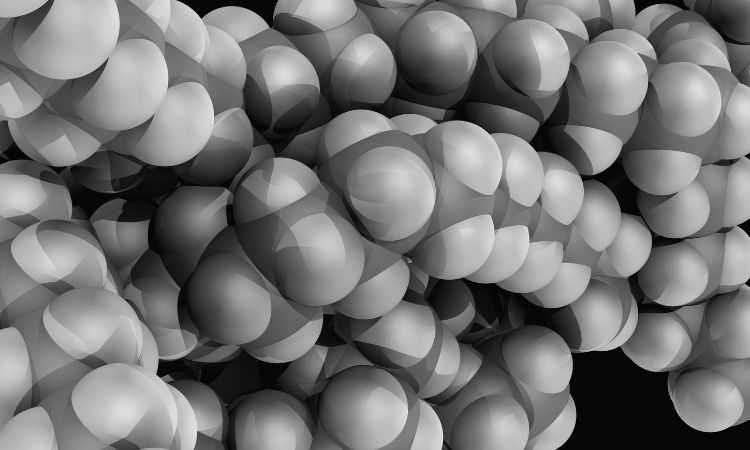
The global ultra-high molecular weight polyethylene (UHMWPE) market size is on the verge of a remarkable transformation. As we step into the future, UHMWPE is poised to play a pivotal role in the medical industry, revolutionizing the way we approach healthcare and medical technology. According to recent projections, the global UHMWPE market is set to grow at an impressive compound annual growth rate (CAGR) of 10% between 2024 and 2032, reaching a staggering USD 2.94 billion by 2032. This growth is driven by the material’s unique properties, which make it ideal for various medical applications.
In this blog post, we will delve into the fascinating world of UHMWPE and explore its significance in the medical field. We’ll unravel the properties that make UHMWPE a standout material for medical applications, trace its historical journey in healthcare, and examine the current and future applications and innovations that promise to reshape the medical landscape.
I. Properties of UHMWPE Relevant to Medical Applications
Ultra-high molecular weight polyethylene possesses a set of remarkable properties that make it particularly well-suited for medical use:
A. High Biocompatibility
One of the most critical factors for any material used in medicine is biocompatibility. UHMWPE has a proven track record in this regard, as it is well-tolerated by the human body. It does not induce adverse reactions or immune responses when implanted, making it an excellent choice for medical devices.
B. Low Wear and Friction Properties
In orthopedic applications, UHMWPE is celebrated for its low wear and friction properties. This is crucial for joint replacements, as it ensures the longevity and performance of prosthetic joints, reducing the need for frequent revisions.
C. Chemical Resistance
UHMWPE is highly resistant to chemicals, which is advantageous in medical environments where exposure to various substances is common. This property enhances the material’s durability and reliability.
D. Mechanical Strength
Despite its low density, UHMWPE boasts impressive mechanical strength. This attribute makes it suitable for load-bearing applications such as hip and knee replacements.
E. Radiolucency
UHMWPE’s radiolucency allows for clear imaging of the surrounding tissues when used in medical implants. This feature is particularly valuable for post-operative monitoring and diagnostics.
II. Historical Use of UHMWPE in Medicine
The use of UHMWPE in the medical field dates back several decades. It has a rich history of contributing to medical advancements:
A. Early Applications in Orthopedics
UHMWPE first gained prominence in orthopedics in the 1960s. Its use as a bearing material in total joint replacements revolutionized the field and extended the lifespan of these implants.
B. Evolution of UHMWPE in Medical Devices
Over the years, UHMWPE has evolved and found its way into various medical devices, including surgical instruments, prosthetics, orthotics, and dental implants. Its versatility and adaptability have opened new doors in medical technology.
III. Current Applications in the Medical Field
Today, UHMWPE is a cornerstone material in the medical industry, serving in various crucial applications:
A. Orthopedic Implants
The most prominent application of UHMWPE in medicine is in orthopedic implants, especially in hip and knee replacements. Its wear resistance and biocompatibility are key factors in its success.
B. Surgical Instruments
UHMWPE’s chemical resistance makes it suitable for surgical instruments that require sterilization and durability.
C. Prosthetics and Orthotics
The material’s lightweight and robust nature make it an excellent choice for prosthetic limbs and orthotic devices, enhancing the mobility and comfort of patients.
D. Dental Implants
In dentistry, UHMWPE is used in dental implants due to its biocompatibility and ability to withstand the oral environment.
E. Cardiovascular Devices
UHMWPE is also making inroads into cardiovascular applications, including heart valve prostheses and vascular grafts.
IV. Advancements and Innovations
The medical industry’s ongoing quest for improvement has led to remarkable advancements and innovations in UHMWPE applications:
A. Enhanced Wear Resistance Coatings
Researchers and manufacturers are developing coatings that further enhance UHMWPE’s wear resistance, increasing the longevity of joint replacements.
B. 3D Printing of UHMWPE Medical Devices
The advent of 3D printing technology has enabled the creation of intricate UHMWPE medical devices with customized designs, optimizing patient outcomes.
C. Nanotechnology Applications
Nanotechnology is being harnessed to modify UHMWPE at the molecular level, improving its mechanical properties and wear resistance.
D. Antibacterial UHMWPE
Antibacterial properties are being introduced to UHMWPE to reduce infection rates in implanted devices, promoting patient safety.
V. Challenges and Considerations
While UHMWPE holds immense promise in the medical industry, there are challenges and considerations to address:
A. Sterilization Methods for UHMWPE
Ensuring the sterility of UHMWPE-based medical devices is crucial. Researchers and manufacturers are continuously developing effective sterilization methods.
B. Long-Term Biocompatibility and Biostability
Long-term studies are needed to confirm UHMWPE’s biocompatibility and biostability in various medical applications.
C. Regulatory Requirements and Standards
The medical industry is highly regulated, and compliance with stringent standards is essential when using UHMWPE in medical devices.
VI. Future Outlook
The future of UHMWPE in the medical industry is exceptionally promising:
A. Emerging Trends and Potential Applications
Researchers are exploring new frontiers, including drug delivery systems, tissue engineering, and more, harnessing UHMWPE’s unique properties.
B. Sustainability and Recyclability Efforts
Sustainability initiatives aim to reduce the environmental impact of UHMWPE production and disposal.
C. Collaboration Between UHMWPE Manufacturers and Medical Researchers
Collaboration between material scientists, engineers, and medical researchers is expected to drive further innovations in UHMWPE applications.
VII. Case Studies
Let’s take a closer look at some real-world examples where UHMWPE has made a significant impact on the medical industry:
A. Hip and Knee Replacements
Case studies highlighting the success and longevity of UHMWPE-based joint replacements.
B. 3D-Printed UHMWPE Prosthetics
Examples of customized prosthetic limbs created through 3D printing technology.
VIII. Conclusion
In conclusion, the global UHMWPE market is on an impressive growth trajectory, and its applications in the medical industry are a testament to its exceptional properties. From orthopedic implants to surgical instruments and beyond, UHMWPE continues to redefine healthcare and improve the lives of patients. As research and innovation continue to push the boundaries, we can expect even more groundbreaking developments in UHMWPE’s role in medicine. The future holds exciting possibilities, making UHMWPE a material to watch closely in the ever-evolving field of healthcare.