
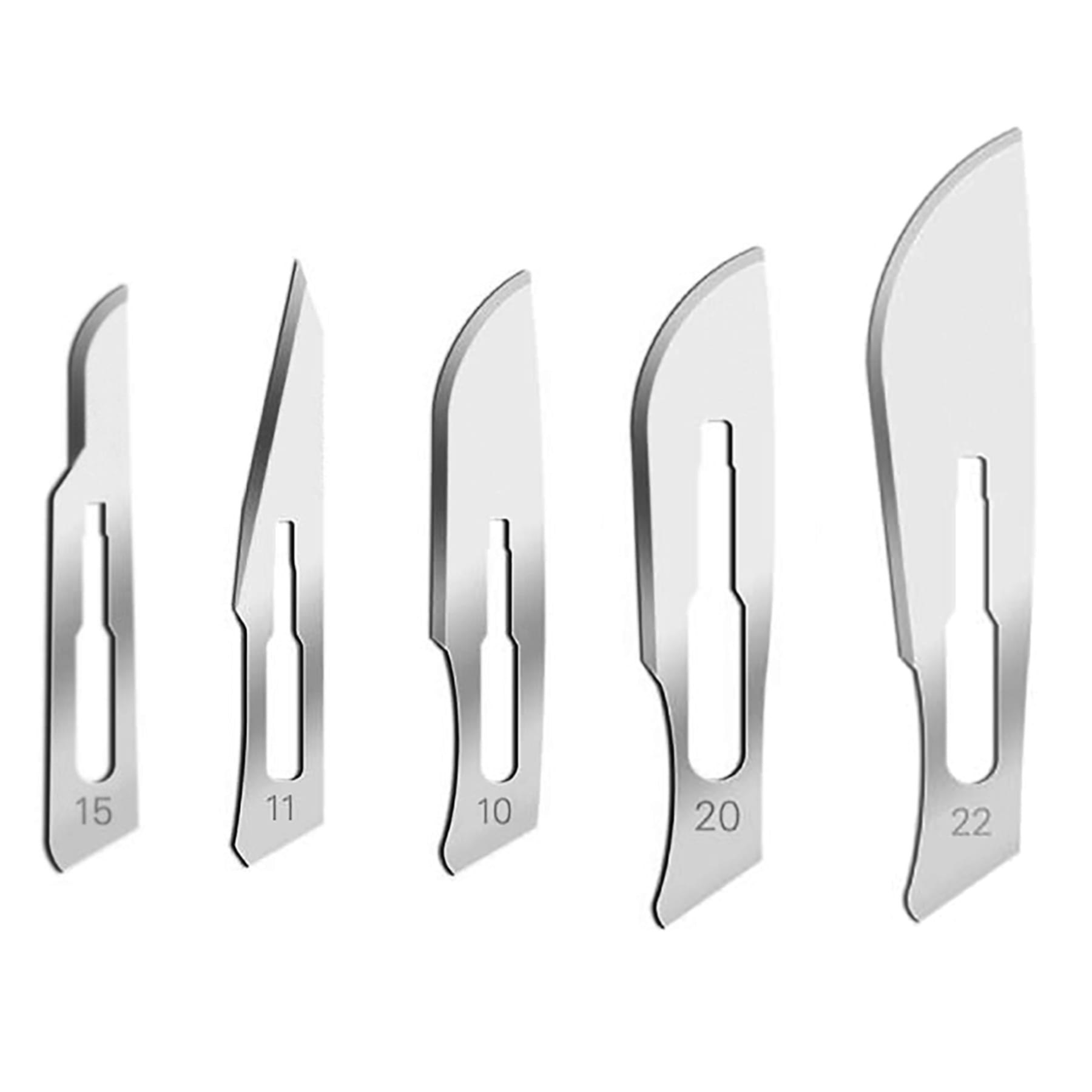
Surgical blades are vital tools in the medical field, used for precise and controlled incisions during surgical procedures. The choice of materials for these blades plays a crucial role in their performance, durability, and safety. Among the various materials available, stainless steel and carbon steel are two of the most common options. In this article, we will explore the differences between these materials, their properties, and their suitability for surgical applications.
Stainless Steel Blades
Stainless steel is a popular choice for surgical blades due to its exceptional corrosion resistance and durability. Here are some key characteristics of stainless steel blades:
Corrosion Resistance
One of the most significant advantages of stainless steel blades is their resistance to corrosion. Stainless steel contains chromium, which forms a protective oxide layer on the surface of the material. This oxide layer prevents rust and corrosion, making stainless steel blades ideal for use in moist and sterile environments such as operating rooms.
Strength and Durability
Surgical blades made from stainless steel can maintain their sharpness and integrity over extended periods of use. This longevity reduces the frequency of blade replacements during surgeries, which is essential for both cost-effectiveness and patient safety.
Sharpness
Stainless steel blades can be manufactured with incredibly sharp edges, allowing for precise and clean incisions. This sharpness minimizes tissue damage, reduces the risk of infection, and accelerates the healing process.
Biocompatibility
Biocompatibility is a critical consideration in the medical field. Stainless steel is biocompatible, meaning it doesn’t cause adverse reactions when it comes into contact with human tissues. This makes stainless steel blades suitable for use in a wide range of surgical procedures.
Sterilization
Stainless steel blades can be easily sterilized through autoclaving, which is a standard method in medical facilities. This ensures that the blades are free from any contaminants or pathogens, reducing the risk of post-surgical infections.
Carbon Steel Blades
Carbon steel is another material used for surgical blades, and it offers unique characteristics that make it a viable option in specific medical applications. Here are some key characteristics of carbon steel blades:
Sharpness and Edge Retention
They can be honed to an incredibly fine edge, allowing for precise and clean cuts. This sharpness remains consistent throughout a procedure, reducing the need for frequent blade changes.
Ease of Sharpening
Carbon steel blades are relatively easy to sharpen. This can be advantageous in situations where immediate re-sharpening is necessary, ensuring that the blade maintains its cutting effectiveness.
Cost
Carbon steel blades are typically more affordable than stainless steel blades. This cost-effectiveness can be appealing, especially for single-use or disposable blades.
Weight
Carbon steel blades are generally lighter than their stainless steel counterparts. This can be advantageous when a surgeon needs to maintain precision and control during intricate procedures.
Limited Corrosion Resistance
One of the notable drawbacks of carbon steel is its limited corrosion resistance. Unlike stainless steel, carbon steel is prone to rust and corrosion, especially in the presence of moisture or body fluids. As a result, carbon steel blades require more diligent maintenance and storage to prevent degradation.
Choosing the Right Material
The choice between stainless steel and carbon steel for surgical blades ultimately depends on the specific needs of the procedure and the surgeon’s preferences. Here are some factors to consider when deciding which material to use:
Procedure Type
Different surgical procedures may benefit from either stainless steel or carbon steel blades. For surgeries involving prolonged exposure to moisture, such as open-heart surgery, stainless steel blades are often preferred due to their corrosion resistance. In contrast, carbon steel blades can be a suitable choice for shorter procedures where their exceptional sharpness and ease of sharpening are advantageous.
Cost Considerations
The cost of blades can be a significant factor for medical facilities. If cost-effectiveness is a primary concern, carbon steel blades may be the preferred option. However, it’s crucial to balance cost considerations with the specific requirements of the procedure to ensure patient safety.
Maintenance and Sterilization
Stainless steel blades require less maintenance and are easier to sterilize due to their corrosion resistance. If the medical facility has stringent sterilization protocols and limited resources for maintenance, stainless steel blades may be the better choice.
Surgeon Preference
Surgeon preference can also influence the choice of blade material. Some surgeons may have a strong preference for one material over the other based on their experience and comfort level with the blade’s performance.
Conclusion:
The choice between stainless steel and carbon steel for Surgical Blades is not a one-size-fits-all decision. Each material has its unique set of advantages and drawbacks, making them suitable for different applications. Surgeons and medical facilities must consider factors such as procedure type, cost, maintenance, and surgeon preference when selecting the most appropriate blade material. Ultimately, the goal is to ensure the safety and success of surgical procedures while maintaining cost-effectiveness and efficiency in medical practices. By carefully weighing these factors, healthcare professionals can make informed decisions that benefit both patients and healthcare organizations.