
Introduction
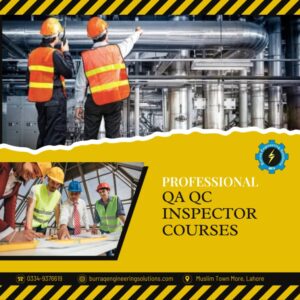
In today’s competitive business landscape, ensuring the quality and safety of products and services is paramount. Quality Assurance/Quality Control (QA/QC) inspectors play a pivotal role in this process. They are responsible for evaluating, monitoring, and maintaining high-quality standards in various industries, ranging from manufacturing and construction to healthcare and food production. To excel in this profession, individuals need comprehensive training and education. In this article, we will explore the significance of QA/QC inspectors, the content of a QA/QC inspector course, and why such training is vital for career success in the field. Burraq Engineering Solutions is an Engineering Institute that provide QA/QC inspector course in Lahore.
I. The Role of QA/QC Inspectors
QA/QC inspectors are the gatekeepers of quality in their respective industries. Their primary responsibilities include:
Quality Control: QA/QC inspectors ensure that products, processes, and services meet predefined quality standards. They meticulously inspect, test, and verify all aspects to identify defects or deviations.
Regulatory Compliance: Many industries are governed by strict regulations and standards. QA/QC inspectors ensure that all operations adhere to these rules and guidelines, thereby avoiding costly legal and reputation-related issues.
Continuous Improvement: QA/QC inspectors play a crucial role in promoting a culture of continuous improvement within an organization. By identifying areas for enhancement, they contribute to a company’s growth and competitiveness.
Customer Satisfaction: A high-quality product or service ensures customer satisfaction. QA/QC inspectors help companies meet and exceed customer expectations, leading to brand loyalty and success.
II. The Content of a QA/QC Inspector Course
A QA/QC inspector course equips individuals with the necessary skills, knowledge, and competencies to excel in this profession. Here’s an overview of the critical components of such a course:
Quality Principles and Concepts: Understanding the fundamentals of quality management, including Total Quality Management (TQM) and Six Sigma, forms the foundation of QA/QC training.
Industry-Specific Knowledge: QA/QC inspectors must be well-versed in the unique requirements of their respective industries. This section provides in-depth knowledge about specific industry standards and regulations.
Inspection Techniques: Training on inspection techniques, tools, and equipment is essential. This includes visual inspection, measurement methods, and non-destructive testing (NDT).
Documentation and Reporting: QA/QC inspectors are responsible for maintaining detailed records of their findings. Learning how to create clear and accurate reports is crucial for this role.
Statistical Process Control (SPC): Understanding SPC methods and tools allows inspectors to monitor and control processes effectively, ensuring consistent quality.
Root Cause Analysis: Identifying the root causes of defects is a critical skill. QA/QC courses often include training on techniques like the 5 Whys and Fishbone diagrams.
Regulatory Compliance: Courses cover the specific laws, regulations, and standards relevant to the industry, ensuring that inspectors can maintain compliance.
Safety Protocols: Safety is paramount. QA/QC inspector courses include training on safety measures and practices to protect both the inspector and the organization.
Soft Skills: Communication, teamwork, and problem-solving skills are essential in this role. Courses often incorporate modules on these skills to enhance inspector effectiveness.
Hands-On Training: Practical experience is invaluable. Many courses include hands-on training, such as simulated inspections or real-world case studies.
III. Why QA/QC Inspector Training Is Vital
Quality Assurance/Quality Control is a dynamic field with ever-evolving standards and technologies. Here’s why formal training for QA/QC inspectors is vital:
Ensuring Safety: In industries like healthcare and construction, safety is a top priority. QA/QC inspectors must be well-trained to identify safety issues and prevent potential hazards.
Quality Consistency: Training ensures that QA/QC inspectors follow a standardized approach, which leads to consistent quality in products and services.
Cost Reduction: Effective training can help identify defects and issues early in the production process, reducing the cost of rework and potential recalls.
Compliance with Regulations: Many industries have stringent regulatory requirements. Training equips inspectors with the knowledge to ensure compliance and avoid legal complications.
Career Advancement: Completing a QA/QC inspector course enhances career opportunities. It provides a competitive edge in the job market and can lead to higher-paying positions.
Industry Relevance: Staying updated with industry-specific practices and standards is essential. Training courses offer this current knowledge.
Problem Solving: QA/QC inspectors often need to troubleshoot and resolve complex issues. Training equips them with the skills to find and address root causes effectively.
Conclusion
Quality Assurance/Quality Control inspectors are the linchpin of quality in various industries. A QA/QC inspector course is the stepping stone to a successful career in this field. These courses provide the necessary knowledge, skills, and practical experience required to excel in the role. From understanding quality principles to industry-specific standards, inspection techniques, and soft skills, formal training ensures that inspectors can contribute to safety, quality, and compliance within their organizations.
Investing in QA/QC inspector training is not just a boon for the individual but also for the industries they serve. It results in higher-quality products and services, cost savings, and regulatory adherence, ultimately contributing to business success. Therefore, individuals aspiring to become QA/QC inspectors should consider enrolling in a comprehensive training program to unlock a world of opportunities in the realm of quality and safety.
To learn more about QA/QC inspector Course, visit the iwises website.