
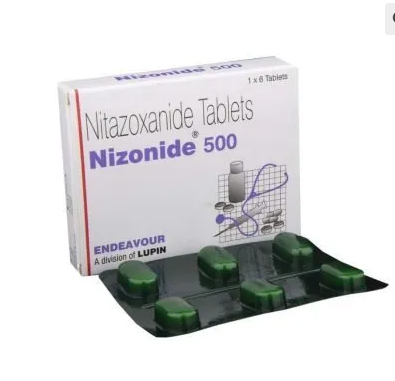
Nitazoxanide 200 mg is a broad-spectrum antiparasitic and antiviral medication that has gained attention for its potential in treating a range of infections. Originally developed in the 1990s, nitazoxanide has been used to combat various parasitic and viral diseases, making it a versatile tool in the field of medicine. In this article, we will explore the uses and potential side effects of nitazoxanide.
Uses of Nitazoxanide
Treatment of Giardiasis
One of the primary uses of nitazoxanide is in the treatment of Giardiasis, a common intestinal infection caused by the parasite Giardia lamblia. Giardiasis can lead to symptoms such as diarrhea, abdominal cramps, and weight loss. Nitazoxanide works by interfering with the parasite’s ability to multiply and survive in the host’s intestines, effectively eradicating the infection.
Cryptosporidiosis
Nizonide 200 is also effective in treating cryptosporidiosis, another intestinal infection caused by the parasite Cryptosporidium. This parasite is particularly problematic for individuals with weakened immune systems, such as those with HIV/AIDS. Nitazoxanide helps reduce the severity and duration of diarrhea associated with cryptosporidiosis.
Rotavirus Infections
Nitazoxanide has shown promise in treating rotavirus infections in children. Rotavirus is a common cause of severe diarrhea and dehydration in young children worldwide. Nitazoxanide can help reduce the duration and severity of rotavirus-induced diarrhea, which can be life-threatening in some cases.
Influenza
In recent years, nitazoxanide has garnered attention for its potential as an antiviral agent against influenza viruses. Research has indicated that it may inhibit the replication of various strains of influenza, making it a potential candidate for the management of influenza outbreaks.
COVID-19
During the COVID-19 pandemic, nitazoxanide was investigated as a possible treatment option for the novel coronavirus. Some studies suggested that it might have antiviral properties against SARS-CoV-2, the virus responsible for COVID-19. However, further research is needed to establish its efficacy definitively.
Side Effects of Nitazoxanide:
While nitazoxanide is generally considered safe and well-tolerated, it can cause side effects in some individuals. It’s essential to consult a healthcare provider before using this medication, especially if you have any underlying medical conditions or are taking other medications. Common side effects of nitazoxanide include:
Nausea and Vomiting
Some individuals may experience mild to moderate nausea and vomiting when taking nitazoxanide. These side effects are usually temporary and can be reduced by taking the medication with food.
Abdominal Pain
Abdominal discomfort or mild cramping may occur in some users. This side effect is generally not severe and typically subsides over time.
Headache
Nitazoxanide can occasionally cause headaches, but these are usually mild and transient.
Diarrhea
Paradoxically, nitazoxanide, which is used to treat diarrhea-causing parasites, can also cause diarrhea as a side effect. If diarrhea is severe or persistent, it should be reported to a healthcare provider.
Allergic Reactions
While rare, some individuals may experience allergic reactions to nitazoxanide, such as rash, itching, swelling of the face, lips, or tongue, and difficulty breathing. Seek immediate medical attention if any signs of an allergic reaction occur.
Liver Function Abnormalities
In very rare cases, nitazoxanide has been associated with liver function abnormalities. It’s crucial to monitor liver function during treatment, especially in individuals with pre-existing liver conditions.
Drug Interactions
Nitazoxanide can interact with other medications, potentially affecting their effectiveness or safety. It’s essential to inform your healthcare provider about all the medications and supplements you are taking before starting nitazoxanide.
In conclusion, nitazoxanide is a versatile medication used to treat various parasitic and viral infections, including giardiasis, cryptosporidiosis, rotavirus infections, and, potentially, influenza and COVID-19. While it is generally well-tolerated, individuals may experience side effects, including nausea, vomiting, abdominal pain, and headaches. It’s essential to use nitazoxanide under the guidance of a healthcare provider and report any unusual or severe side effects promptly. Additionally, ongoing research may reveal new uses and applications for this medication in the future, further expanding its role in the treatment of infectious diseases.