
Introduction
The United States has long been a beacon of hope for individuals worldwide seeking a better life and new opportunities. For many, the dream of living and working in the U.S. becomes a reality through the immigrant visa – green card process. In this comprehensive guide, we will explore the intricacies of obtaining an immigrant visa and ultimately securing a green card, shedding light on the path to achieving the American dream.
Immigrant Visa: The First Step Toward a New Life
An immigrant visa is often the first significant milestone on the journey to obtaining U.S. permanent residency, commonly referred to as a green card. Here’s a breakdown of the essential aspects of the immigrant visa process:
1. Types of Immigrant Visas
There are several immigrant visa categories, each designed to meet specific eligibility requirements and address diverse immigration needs. These include family-sponsored visas, employment-based visas, diversity visas (DV), and more. Understanding the most suitable category for your situation is crucial.
2. Eligibility and Sponsorship
In most cases, an immigrant must have a sponsor in the United States to petition for their visa. For family-sponsored visas, a U.S. citizen or permanent resident family member can act as a sponsor. Employment-based visas often require a job offer from a U.S. employer. Diversity visas are awarded through a lottery system to individuals from countries with low rates of immigration to the U.S.
3. Visa Application Process
The application process involves submitting a petition or visa application to the United States Citizenship and Immigration Services (USCIS). The application may need to be filed by the sponsor or the intending immigrant, depending on the visa category. It’s vital to follow all instructions and provide the required documentation accurately.
4. Visa Approval
Upon approval of the immigrant visa petition, the applicant typically waits for visa availability. Visa availability depends on the visa category, the applicant’s country of origin, and their relationship to the sponsor. The National Visa Center (NVC) assists in visa allocation and further processing.
Green Card: The Key to Permanent Residency
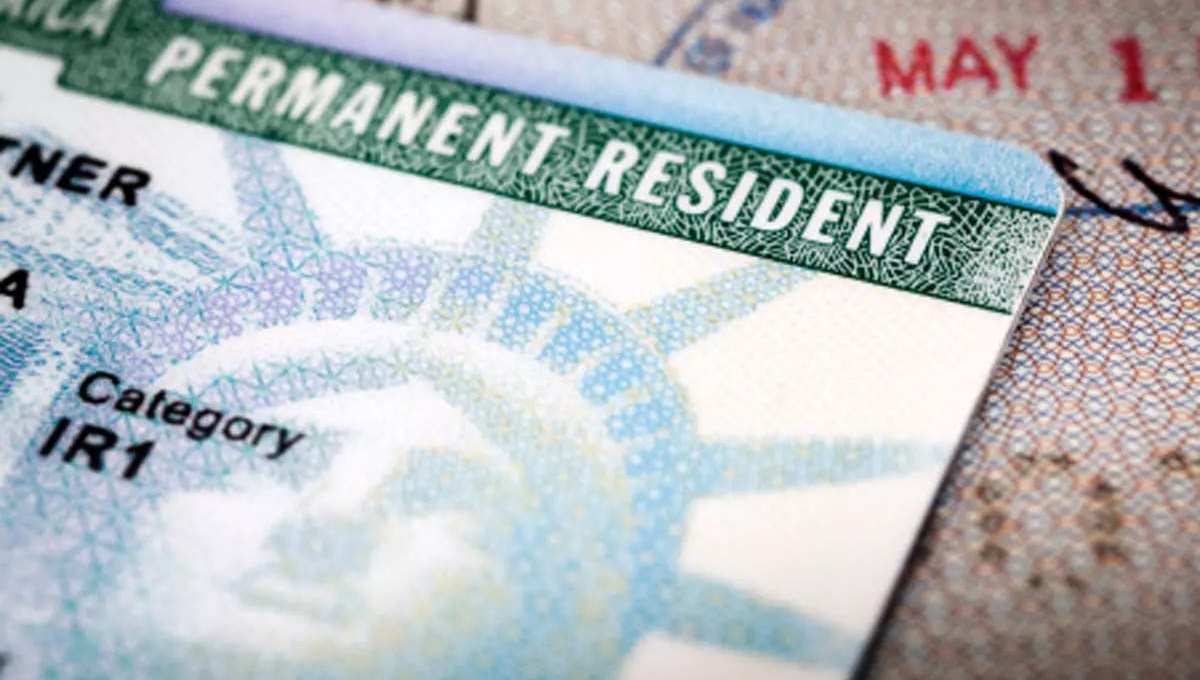
A green card, also known as a Permanent Resident Card, is the gateway to living and working in the United States indefinitely. It provides individuals with various privileges, including the ability to travel freely, work without a visa, and access government benefits. Let’s delve into the specifics of the green card process:
1. Adjustment of Status vs. Consular Processing
There are two primary ways to obtain a green card: through adjustment of status in the United States or consular processing in the home country. Adjustment of status is available to individuals who are already in the U.S. with a qualifying nonimmigrant visa or status, while consular processing is typically for those applying from abroad.
2. Family-Sponsored Green Cards
Many green cards are issued to family members of U.S. citizens and permanent residents. Family-sponsored green cards are available to spouses, children, parents, and siblings of U.S. citizens and spouses and unmarried children of permanent residents. The process may vary depending on the relationship.
3. Employment-Based Green Cards
For individuals seeking employment-based green cards, the process is typically initiated by a U.S. employer. It often involves labor certification, demonstrating the unavailability of qualified U.S. workers, and showing the employee’s qualifications for the job.
4. Diversity Visa Lottery
The Diversity Visa Lottery Program, also known as the DV Lottery, is a unique opportunity for individuals from countries with low rates of immigration to the U.S. Each year, the U.S. Department of State conducts the DV Lottery, granting a limited number of green cards to randomly selected applicants.
The Green Card Interview
One of the most critical steps in the green card process is the interview. The interview is conducted by U.S. Citizenship and Immigration Services (USCIS) or the U.S. Department of State, depending on whether you are adjusting status or going through consular processing. Here are some key points to consider:
1. Preparation
Before the interview, it’s essential to gather and organize all required documents, including passports, visa-related paperwork, financial records, and supporting documents to prove the validity of your relationship with the sponsor (if applicable).
2. The Interview
During the interview, an immigration officer will ask questions to assess your eligibility for a green card. Be prepared to answer questions about your background, family, employment, and immigration history. Honesty and accuracy are crucial.
3. Conditional Green Cards
In some cases, such as marriage-based green cards, the initial green card may be conditional. This means that the card is valid for a limited period (usually two years), after which you must apply to remove the conditions to obtain a permanent (10-year) green card.
Conclusion
The immigrant visa vs green card process is a transformative journey for many individuals and families seeking a brighter future in the United States. While this guide provides a comprehensive overview, it’s important to remember that each case is unique and may involve specific requirements and challenges.
Navigating the intricate processes of obtaining an immigrant visa and a green card can be a complex and daunting task. Seeking legal counsel and guidance from immigration professionals is often advisable to ensure a smooth and successful transition to permanent residency. Whether you’re pursuing a family-sponsored green card, an employment-based green card, or participating in the DV Lottery, the pursuit of the American dream through immigration is a testament to the nation’s history as a land of opportunity and diversity.