
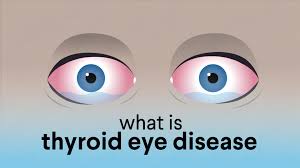
Thyroid eye disease (TED), also known as Graves’ ophthalmopathy, is an autoimmune condition that affects the tissues surrounding the eyes. It is characterized by inflammation, swelling, and enlargement of these tissues, which can lead to a range of symptoms, including bulging eyes, double vision, and dry eyes.
TED is often associated with Graves’ disease, an autoimmune disorder that causes overproduction of thyroid hormones. However, about 40% of people with TED do not have Graves’ disease. The exact cause of TED is unknown, but it is thought to be triggered by a combination of genetic and environmental factors.
Symptoms of Thyroid Eye Disease
The symptoms of TED can vary greatly from person to person. Some people may have mild symptoms that do not significantly impact their daily lives, while others may have severe symptoms that can cause significant vision problems and social anxiety.
Here are some of the most common symptoms of TED:
-
Bulging eyes: This is one of the most noticeable symptoms of TED. It occurs when the tissues behind the eyes swell and push the eyeballs forward. In severe cases, the eyes may protrude so much that the eyelids cannot close completely.
-
Double vision: This occurs when the eyes are not aligned properly. This can make it difficult to see clearly, especially when reading or looking at objects in the distance.
-
Dry eyes: This occurs when the tear glands do not produce enough tears. This can make the eyes feel gritty and uncomfortable.
-
Red eyes: This is caused by inflammation of the tissues around the eyes.
-
Swelling of the eyelids: This can make the eyelids appear puffy and swollen.
-
Pain behind the eyes: This can occur with eye movement or when looking up, down, or sideways.
-
Sensitivity to light: This can make it difficult to be in bright light.
-
Vision loss: In severe cases, TED can lead to vision loss.
Impact of Thyroid Eye Disease
TED can have a significant impact on a person’s quality of life. The symptoms of TED can make it difficult to perform everyday activities, such as driving, reading, and working. They can also lead to social anxiety and depression.
Treatment Options
- Medications: There are a number of medications that can be used to treat TED. These medications can be used to reduce inflammation, modify the immune system, and relieve symptoms.
- Surgery: Surgery may be necessary to correct bulging eyes, double vision, or other severe symptoms.
- Eye drops: Eye drops can be used to treat dry eyes and sensitivity to light.
- Eyewear: Eyewear can be used to correct double vision and improve vision.
- Lifestyle changes: There are a number of lifestyle changes that can help to manage the symptoms of TED. These changes may include quitting smoking, avoiding alcohol, and managing stress.
Living with Thyroid Eye Disease
TED is a chronic disease, but with proper treatment and management, most people with TED can live full and productive lives.
Here are some tips for living with TED:
- Educate yourself about the disease: The more you know about TED, the better equipped you will be to manage it.
- Find a support group: Talking to other people with TED can provide you with support and understanding.
- Set realistic goals: Don’t try to do too much too soon. Pace yourself and take breaks when needed.
- Eat a healthy diet: Eating a healthy diet can help improve your overall health and well-being.
- Exercise regularly: Exercise can help improve muscle strength, balance, and coordination.
- Get enough sleep: Getting enough sleep can help improve your energy levels and mood.
- Manage stress: Stress can worsen TED symptoms. Find healthy ways to manage stress, such as yoga, meditation, or spending time in nature.
Conclusion
TED can be a challenging disease, but it is not a life sentence. With proper treatment and management, most people with TED can live