
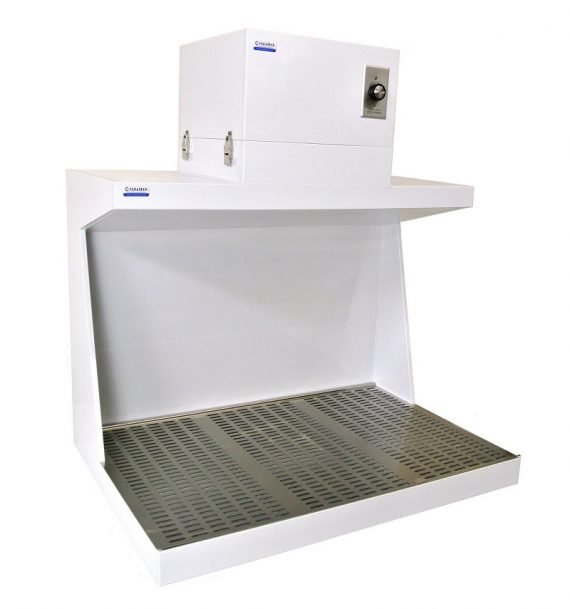
In the world of laboratory safety and efficiency, ductless fume hoods have emerged as indispensable tools. These innovative devices offer a safer and more versatile alternative to traditional ducted fume hoods, making them a popular choice in various laboratory settings.
In this comprehensive guide, we will delve into how a ductless fume hood works, its components, and the myriad of applications it offers within laboratory environments. Provided by Cleatech LLC, a leader in laboratory equipment and cleanroom solutions, this article aims to shed light on the functionality and practicality of ductless fume hoods.
Understanding Ductless Fume Hoods
The Basics of Ductless Fume Hoods
A ductless fume hood, also known as a filtered or recirculating fume hood, is a piece of laboratory equipment designed to protect personnel and the environment from potentially harmful fumes, vapors, and particulates generated during various laboratory processes. Unlike traditional ducted fume hoods, which vent contaminants outside the building, ductless fume hoods use filtration systems to remove and neutralize hazardous substances before releasing clean air back into the laboratory.
Components of a Ductless Fume Hood
Work Chamber: This is the primary space where laboratory tasks are performed. It typically includes a sash or door for easy access and visibility.
Airflow System: Ductless fume hoods have a complex airflow system that ensures a unidirectional flow of air from the work chamber towards the filters.
Filter Media: The heart of a ductless fume hood, the filter media, is responsible for capturing and neutralizing contaminants. Common types include HEPA filters, activated carbon filters, and other specialized filtration media.
Fan or Blower: A fan or blower creates the necessary airflow within the hood, pushing air through the filter media and back into the laboratory.
Control Panel: Ductless fume hoods come equipped with user-friendly control panels that allow researchers to adjust fan speed, monitor filter saturation, and ensure safety.
Alarm System: Some models feature alarms to alert users when filter replacement or maintenance is required.
The Filtration Process
The operation of a ductless fume hood is based on a series of filtration processes:
Particulate Filtration: The first line of defense involves capturing solid particulates present in the airstream. HEPA filters are typically used for this purpose, effectively removing particles as small as 0.3 microns.
Chemical Filtration: For volatile organic compounds (VOCs) and chemical fumes, activated carbon filters are employed. These filters adsorb and neutralize harmful chemicals, ensuring they do not escape into the laboratory.
Optional Specialized Filters: Depending on the laboratory’s specific needs, additional specialized filters can be added to target unique hazards, such as acid gas filters for corrosive materials.
Recirculation: After passing through the filtration system, the clean air is recirculated back into the laboratory, maintaining a safe and controlled environment.
Advantages of Ductless Fume Hoods
Ductless fume hoods offer numerous advantages that make them a preferred choice in laboratory settings.
Enhanced Safety
Improved Operator Safety: Ductless fume hoods provide a higher level of protection for laboratory personnel by effectively capturing and neutralizing hazardous fumes and particulates.
Reduced Exposure: Researchers are shielded from toxic or noxious substances, minimizing the risk of inhalation or skin contact.
Environmentally Friendly: Ductless fume hoods are eco-friendly as they do not release contaminants into the atmosphere, contributing to a greener laboratory.
Cost-Efficiency
Lower Installation Costs: Traditional ducted fume hoods require extensive ductwork and infrastructure, whereas ductless hoods can be installed quickly and cost-effectively.
Energy Efficiency: Ductless fume hoods consume less energy, resulting in lower operational costs over time.
Filter Replacement Savings: While filters must be periodically replaced, this cost is often offset by the savings in installation and energy costs.
Versatility
Portability: Many ductless fume hoods are designed to be portable, allowing researchers to easily move them to different locations within the laboratory.
Modular Design: The modular nature of ductless hoods allows for easy customization to suit specific applications or experiments.
Minimal Laboratory Disruption: Installation or relocation of ductless hoods is far less disruptive to ongoing research activities compared to ducted systems.
Applications of Ductless Fume Hoods
Ductless fume hoods find applications across a wide range of laboratory settings, enhancing safety and productivity in each.
Chemical Laboratories
Chemical Synthesis: Ductless hoods are used in chemical synthesis to protect researchers from harmful reactants and by-products.
Sample Preparation: They provide a controlled environment for preparing samples, ensuring accuracy and safety.
Handling Volatile Compounds: Ductless fume hoods effectively capture and neutralize volatile chemicals, making them ideal for labs dealing with solvents and reagents.
Biological Laboratories
Microbiology: Ductless fume hoods are essential for working with pathogens, ensuring a containment barrier between the researcher and the microorganisms.
Cell Culture: These hoods maintain a sterile environment for cell culture work, preventing contamination.
DNA and RNA Research: Controlling contamination is critical in DNA and RNA research, and ductless hoods provide this level of protection.
Analytical Laboratories
Spectroscopy: For spectrometry and other analytical techniques, ductless fume hoods offer a clean environment free from interference.
Instrument Calibration: Laboratories conducting instrument calibration and sensitive measurements rely on ductless hoods to maintain accuracy.
Educational Institutions
Teaching Laboratories: Ductless fume hoods are a valuable addition to educational labs, providing students with a safe environment for hands-on learning.
Demonstrations: Professors can safely demonstrate chemical reactions and experiments without compromising safety.
Pharmaceutical and Healthcare Facilities
Pharmaceutical Research: Ductless fume hoods are used for drug development, formulation, and quality control in pharmaceutical companies.
Hospital Laboratories: Healthcare facilities use them for diagnostic testing and research, ensuring the safety of medical personnel.
Nanotechnology and Material Science
Nanoparticle Research: Ductless fume hoods are crucial when working with nanomaterials, preventing exposure to potentially hazardous particles.
Material Synthesis: Researchers in material science benefit from ductless hoods for synthesizing new materials and studying their properties.
Maintenance and Best Practices
To ensure the efficient and safe operation of ductless fume hoods, regular maintenance and adherence to best practices are essential.
Filter Replacement
Scheduled Replacement: Follow the manufacturer’s recommendations for filter replacement intervals, which vary depending on usage and filter type.
Filter Monitoring: Some hoods are equipped with filter saturation sensors, alerting users when it’s time for replacement.
Cleaning
Chamber Cleaning: Regularly clean the work chamber to remove any residue or contaminants that may accumulate.
Sash Maintenance: Keep the sash or door clean and well-maintained to ensure an effective barrier.
Safety Checks
Inspect Airflow: Periodically check the airflow to ensure it’s uniform and free from turbulence.
Calibration: Calibrate any digital controls or monitors to maintain accuracy.
Emergency Procedures: Establish and communicate emergency shutdown procedures in case of filter failure or other safety concerns.
Choosing the Right Ductless Fume Hood
Selecting the appropriate ductless fume hood for your laboratory is crucial for both safety and efficiency. Consider the following factors:
Hazard Assessment
Identify Hazardous Materials: Determine the types of substances you will be working with and their associated risks.
Quantity and Frequency: Assess the quantity and frequency of chemical use to choose the right hood size and filter capacity.
Filter Selection
Filter Compatibility: Ensure that the selected ductless hood can accommodate the necessary filter types for your specific applications.
Specialized Filters: If working with unique hazards, confirm that the hood can accommodate specialized filters.
Space and Mobility
Available Space: Measure the available space in your laboratory to select a hood that fits comfortably.
Portability: Determine whether you require a stationary or portable hood based on your research needs.
Budget
Initial Cost: Consider the upfront cost of the hood and its filters.
Operating Costs: Factor in ongoing expenses, such as filter replacement and energy consumption.
Compliance and Certification
Regulatory Compliance: Ensure that the chosen hood complies with relevant safety regulations and standards.
Certification: Look for hoods that are certified by recognized organizations for safety and performance.
Conclusion
Ductless fume hoods have revolutionized laboratory safety and efficiency, offering a versatile and cost-effective solution for various applications. With their advanced filtration systems and enhanced safety features, they provide researchers with the protection they need while contributing to a cleaner, greener laboratory environment. By understanding how ductless fume hoods work and considering their myriad applications, laboratories can make informed decisions to enhance both safety and productivity.
For high-quality ductless fume hoods and other laboratory equipment, trust Cleatech LLC. We are committed to providing innovative solutions for your laboratory needs. Contact us today to explore our extensive range of products and services.