
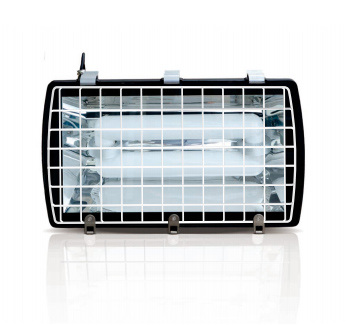
The advent of UV-C technology has revolutionized the way we approach the critical tasks of air and surface disinfection and sanitation. This innovative method, relying on the potent capabilities of ultraviolet light, presents a powerful solution to mitigate the presence of harmful pathogens and contaminants in various environments. With a profound understanding and extensive experience in UV-C applications, this discourse delves into the intricacies of utilizing UV-C in air and surface treatment, ensuring a comprehensive and nuanced exploration.
Elevating Air Quality: The Role of UV-C Disinfection Devices
Delving into the realm of air purification, UV-C disinfection device stand out as a paramount solution, targeting a myriad of pollutants and ensuring the release of purified air. These devices employ specialized filters and UV-C technology to degrade organic pollutants effectively. Particularly in healthcare, manufacturing, and office settings, where air quality is of utmost importance, UV-C air purifiers play a pivotal role. Hospitals, factories, and corporate offices are prime examples of facilities where the integration of UV-C technology ensures a continuous supply of clean, healthy air. On the other hand, the HVAC UV light sanitizer serves as a critical component in maintaining optimal air quality, particularly in data centers where stable environmental conditions are crucial. By integrating UV-C technology into HVAC systems, these sanitizers work diligently to purify the air, contributing to a safer and more hygienic atmosphere.
Surface Disinfection Mastery: Harnessing HVAC UV Light Sanitizers
Transitioning from air to surfaces, the HVAC UV light sanitizer emerges as an indispensable tool in the battle against pathogens. Surface sanitization and disinfection are crucial, particularly in medical facilities, to halt the spread of infections and germs. High-intensity short-wave UV light, a cornerstone of UV-C technology, ensures profound disinfection, targeting harmful bacteria and viruses. However, it is paramount to employ control mechanisms and safety protocols, such as timers and key locks, to mitigate potential harm when these systems operate in unoccupied spaces. For surface sterilization, UV-C technology operates at 253.7 nm, altering the structure of DNA and RNA and rendering microorganism’s incapable of reproduction. This application is especially prevalent in surgical rooms and laboratories, where the complete elimination of microbial life is imperative.