
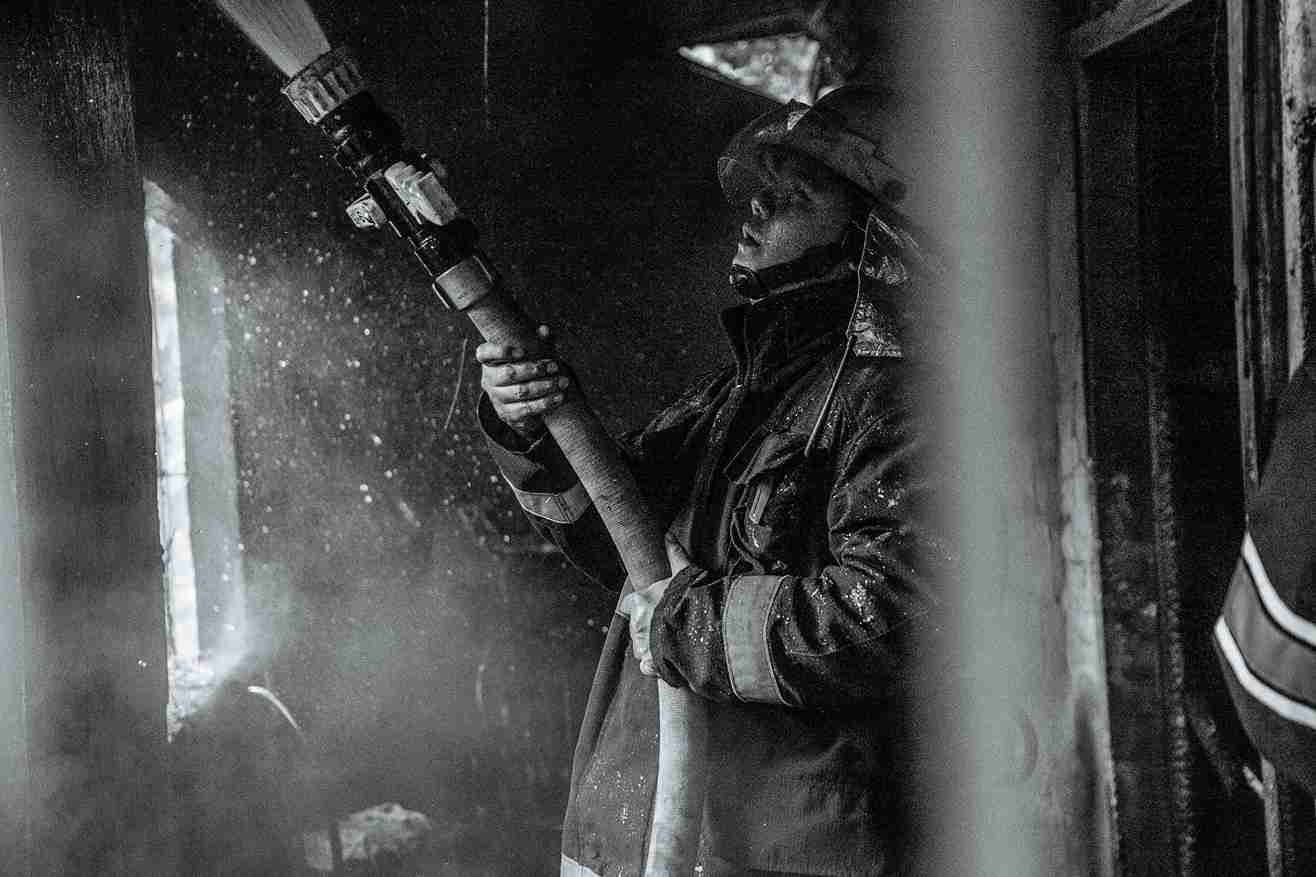
High-rise buildings have become a defining feature of modern cityscapes around the world. These architectural marvels serve as symbols of progress and urban development, accommodating a substantial portion of the urban population. However, they also pose unique challenges in terms of safety, particularly when it comes to fire prevention, preparedness, and response. In this article, we will explore the special considerations and protocols required for fire safety in high-rise buildings, with a focus on essential training programs like Fire Warden Training, Fire Safety Training, First Aid Training, and Firefighting Training.
The Unique Challenges of Fire Safety in High-Rise Buildings
Height, Complexity, and Population Density
High-rise buildings are characterized by their considerable height, intricate architecture, and high population density. These features make fire safety in such structures significantly different from that in low-rise buildings. The height of these buildings can make the evacuation process more time-consuming, while the complex design can pose challenges for both occupants and first responders. Furthermore, the sheer number of people residing or working in a high-rise building necessitates a robust and tailored fire safety plan.
Fire Spread and Smoke Control
Another distinctive challenge is the potential for fire to spread rapidly through the building. The vertical nature of high-rises means that a fire on a lower floor can quickly reach upper levels. This makes fire safety measures, including fire containment and smoke control, of paramount importance. Smoke is a major hazard in high-rise fires, as it can compromise evacuation routes, hinder visibility, and cause respiratory distress for occupants.
Access and Evacuation
In high-rise buildings, access for fire department personnel and the evacuation of occupants are not straightforward tasks. Traditional fire department equipment may not be suitable for reaching upper floors, and stairwells can become congested during evacuation. Effective planning for both ingress and egress, as well as the allocation of refuge areas, is essential to ensure the safety of building occupants and the effectiveness of fire response efforts.
Fire Safety Training in High-Rise Buildings
The Role of Fire Warden Training
Fire Warden Training is a fundamental aspect of fire safety in high-rise buildings. Fire wardens are individuals appointed to take on specific responsibilities in the event of a fire emergency. These responsibilities include coordinating the safe evacuation of occupants, ensuring that fire safety equipment is functional and accessible, and assisting first responders. Fire wardens must be trained to remain calm under pressure and to understand the unique challenges of high-rise fires.
Fire Warden Training programs typically cover the following key topics:
-
Evacuation Procedures
High-rise buildings require well-organized evacuation procedures that consider the building’s height and complexity. Fire wardens should be knowledgeable about exit routes, evacuation maps, and the assembly points. They must also be able to guide occupants, especially those who may require assistance, to safe locations.
-
Fire Safety Equipment
Fire wardens are responsible for inspecting and maintaining fire safety equipment, such as fire extinguishers and fire alarm systems. They must receive thorough training on the proper use of fire extinguishers and other firefighting equipment.
-
Communication and Coordination
Effective communication is essential during a fire emergency. Fire wardens need to understand how to use communication systems within the building to relay critical information to occupants and first responders. They must also coordinate with the fire department to ensure a swift and well-informed response.
Comprehensive Fire Safety Training
Beyond the specific training of fire wardens, all occupants of high-rise buildings should undergo comprehensive Fire Safety Training. This training ensures that everyone in the building is aware of the fire safety protocols and knows how to respond in the event of a fire.
Comprehensive Fire Safety Training typically covers the following:
-
Fire Prevention
Preventing fires is the first line of defense in high-rise buildings. Training should include guidelines on proper storage of flammable materials, the safe use of electrical appliances, and fire-safe behaviors in communal areas.
-
Emergency Response
Occupants need to understand the building’s evacuation plan, the locations of fire exits, and the proper use of fire safety equipment. This training helps individuals make informed decisions during an emergency and increases the chances of a safe evacuation.
-
Smoke Control
Awareness of the dangers of smoke inhalation and strategies for coping with smoke during an evacuation are essential components of Fire Safety Training. High-rise buildings often have smoke control systems in place, and occupants should be educated on their operation.
First Aid Training and High-Rise Fire Safety
First Aid Training is crucial in high-rise buildings, not only for responding to fire-related injuries but also for dealing with any medical emergencies that may occur during an evacuation. High-rise buildings can be challenging for emergency services to access quickly, making it essential for occupants to have the skills to provide immediate care.
First Aid Training for high-rise buildings typically includes:
-
Basic First Aid Skills
Occupants should be trained in basic first aid skills, including CPR, wound care, and the treatment of burns, which are particularly relevant in the context of fires.
-
Emergency Medical Supplies
High-rise buildings should be equipped with first aid kits and automated external defibrillators (AEDs). First Aid Training covers how to use these supplies effectively.
-
Communication with First Responders
Occupants should know how to provide essential information to first responders, such as the location and condition of injured individuals. Effective communication can expedite medical assistance.
Firefighting Training for High-Rise Buildings
The Role of Firefighting Training
Fire Fighting Training in high-rise buildings goes beyond the training of professional firefighters. It is essential for building personnel, including security staff, maintenance personnel, and even select occupants who volunteer to assist in fire response.
Key components of Firefighting Training in high-rise buildings include:
-
Use of Firefighting Equipment
Building personnel should be familiar with the operation of firefighting equipment, such as fire hoses, fire extinguishers, and sprinkler systems. They should know how to safely and effectively use these tools to control and suppress fires.
-
Fire Containment
Firefighting Training emphasizes the importance of containing fires until professional firefighters arrive. This involves strategies for preventing the spread of fire and smoke within the building.
-
Communication and Coordination
Just as in Fire Warden Training, effective communication and coordination are vital in Firefighting Training. Building personnel need to work in tandem with professional firefighters to achieve successful fire suppression.
Fire Safety Protocols in High-Rise Buildings
To enhance fire safety in high-rise buildings, specific protocols must be in place and regularly practised. Some of these protocols include:
-
Regular Drills and Exercises
Frequent fire drills and evacuation exercises are essential in high-rise buildings. These drills help occupants become familiar with the building’s layout, evacuation routes, and the locations of fire safety equipment. They also provide opportunities to test the efficiency of the building’s fire safety plan.
-
Fire Safety Systems
High-rise buildings are equipped with advanced fire safety systems, including smoke detection, sprinklers, and alarm systems. These systems should be regularly inspected and maintained to ensure they function correctly in the event of a fire.
-
Emergency Communication
High-rise buildings should have robust communication systems in place for both occupants and first responders. These systems include emergency speakers, fire alarm panels, and intercoms to relay critical information during emergencies.
-
Building Design
The design of high-rise buildings plays a significant role in fire safety. Fire-resistant materials, adequate fire exits, and refuge areas are all crucial elements of a fire-safe building design.
Conclusion
Fire safety in high-rise buildings is a complex and multifaceted endeavor. Special considerations and protocols are necessary to address the unique challenges posed by these architectural wonders. Fire Warden Training, Fire Safety Training, First Aid Training, and Firefighting Training are integral components of a comprehensive fire safety strategy for high-rise buildings. By equipping occupants and building personnel with the knowledge and skills they need, and by implementing effective protocols and systems, we can enhance the safety of these towering structures and protect the lives of those who live and work within them. Fire safety in high-rises demands ongoing commitment, vigilance, and preparedness to ensure that these structures remain symbols of progress without compromising the safety of their occupants.