
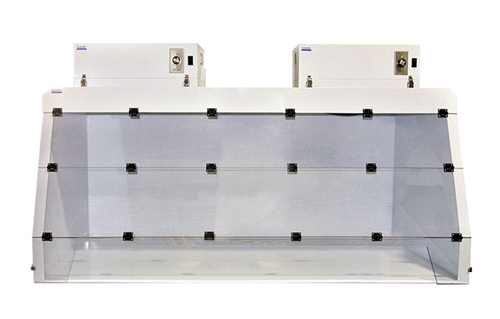
In the dynamic world of laboratory environments, ensuring the safety of researchers and maintaining optimal working conditions is of paramount importance. Ductless laboratory fume hoods have emerged as a versatile and sustainable solution that combines safety, efficiency, and environmental responsibility. In this article, we’ll delve into the world of ductless fume hoods, exploring their benefits, functions, and why they are an excellent choice for modern laboratories.
The Functionality of Ductless Fume Hoods
Ductless laboratory fume hoods, also known as recirculating fume hoods, are a vital component of laboratories across various industries. These hoods are designed to protect laboratory personnel from exposure to hazardous chemicals, fumes, and particles, all while maintaining a controlled working environment.
The key difference between ductless fume hoods and traditional ducted fume hoods is in their exhaust systems. Traditional ducted fume hoods are connected to an external ventilation system, which expels the contaminated air outdoors. In contrast, ductless fume hoods filter and recirculate the air within the hood, removing contaminants through a series of filters before returning the purified air to the laboratory. This self-contained system ensures that there is no need for expensive ductwork and installation costs, making ductless fume hoods a cost-effective alternative.
Benefits of Ductless Fume Hoods
Enhanced Safety: Ductless fume hoods provide an extra layer of safety by preventing the release of harmful chemicals and fumes into the laboratory environment. The multi-stage filtration systems capture and neutralize harmful substances, reducing the risk of exposure to lab personnel.
Cost-Efficiency: As mentioned earlier, ductless fume hoods eliminate the need for extensive ductwork and expensive installation. This not only reduces initial setup costs but also saves on ongoing energy costs associated with ventilating large volumes of air.
Flexible Placement: Ductless fume hoods can be installed virtually anywhere in the laboratory, as they don’t rely on external ventilation systems. This versatility allows for a more efficient and flexible lab layout, maximizing the use of available space.
Energy Efficiency: Traditional fume hoods consume a significant amount of energy due to the constant flow of air required for ventilation. Ductless fume hoods, on the other hand, are designed to be energy-efficient, as they only filter and recirculate air when needed.
Environmental Responsibility: By recirculating and filtering air, ductless fume hoods reduce the environmental impact associated with exhausting contaminated air outdoors. This aligns with the growing trend of sustainability and environmentally responsible laboratory practices.
Ease of Maintenance: Ductless fume hoods typically have easy-to-change filters, which simplifies maintenance and ensures that the system functions at its best. Regular maintenance can extend the life of the fume hood and maintain its efficiency.
Advanced Filtration Systems
Ductless fume hoods rely on sophisticated filtration systems to maintain a safe and clean working environment. These filtration systems usually consist of several stages, each serving a unique purpose:
Pre-Filters: Pre-filters capture larger particles and dust, extending the lifespan of the subsequent filters. They are easily replaceable and prevent clogging of the more sensitive filters.
HEPA Filters: High-Efficiency Particulate Air (HEPA) filters remove microscopic particles, such as aerosols and fine dust. HEPA filters are crucial for maintaining a sterile working environment in microbiology and pharmaceutical laboratories.
Activated Carbon Filters: These filters are designed to adsorb and neutralize chemical fumes and gases. They are particularly effective in capturing volatile organic compounds (VOCs) and acidic or alkaline gases.
Chemisorption Filters: Some advanced ductless fume hoods employ chemisorption filters to react with and neutralize specific chemical compounds. This level of customization ensures that the fume hood is tailored to the specific needs of the laboratory.
Applications of Ductless Fume Hoods
Ductless fume hoods find application in a wide range of laboratory settings. Here are a few examples of where these versatile safety solutions are particularly useful:
Chemical Laboratories: Ductless fume hoods are commonly used in chemical labs for protecting researchers from exposure to hazardous chemicals and ensuring a clean working environment.
Pharmaceutical Laboratories: In pharmaceutical labs, precise control over air quality is essential. Ductless fume hoods offer the ideal solution to maintain the integrity of drug formulations and protect lab personnel.
Microbiology and Biotechnology Laboratories: In these environments, sterile conditions are paramount. Ductless fume hoods with HEPA filters ensure that the air is free from contaminants, safeguarding sensitive experiments.
Educational Institutions: Ductless fume hoods are becoming increasingly popular in educational labs. They provide a cost-effective and safe option for teaching and research labs in schools and universities.
Art Conservation Laboratories: Ductless fume hoods are used to protect conservators from harmful fumes and dust generated during the restoration and conservation of art and historical artifacts.
Research and Development Facilities: Research labs often require flexible setups and customized solutions. Ductless fume hoods can be tailored to the specific needs of research projects.
Selecting the Right Ductless Fume Hood
Choosing the right ductless fume hood for your laboratory is a critical decision. Several factors should be considered to ensure that the fume hood meets the specific needs of your lab:
Airflow Capacity: Determine the necessary airflow rate to maintain a safe working environment. The size and nature of experiments, as well as the chemicals used, will influence this decision.
Filtration System: Consider the types of filters required based on the chemicals and particles present in your lab. Customized filtration systems may be necessary for specialized applications.
Size and Placement: Evaluate the available space and the most suitable location for your ductless fume hood. Ensure it meets safety regulations regarding placement.
Compliance: Ensure that the ductless fume hood complies with relevant safety and environmental regulations, such as OSHA and EPA standards.
Maintenance Requirements: Assess the ease of maintenance and the cost of replacing filters. A well-maintained fume hood will perform at its best and ensure safety.
A Sustainable Choice for Modern Laboratories
Ductless fume hoods are gaining popularity in modern laboratories not only for their safety features but also for their sustainability. Traditional fume hoods consume large amounts of energy by continuously ventilating air, while ductless fume hoods are designed to be energy-efficient. This reduced energy consumption contributes to a smaller carbon footprint and aligns with the increasing focus on sustainable lab practices.
Moreover, by filtering and recirculating air, ductless fume hoods reduce the need for extensive ductwork and the associated environmental impact. This is especially important in urban areas where releasing chemical fumes and particles into the atmosphere can have detrimental effects on air quality and public health.
Elevate Your Lab Safety and Sustainability with Ductless Fume Hoods
In today’s rapidly evolving world of laboratory safety and sustainability, ductless fume hoods have emerged as a cost-effective, efficient, and environmentally responsible choice. They not only protect lab personnel from exposure to hazardous chemicals and particles but also reduce energy consumption and minimize environmental impact.
To enhance your lab’s safety and sustainability while optimizing efficiency, consider incorporating ductless fume hoods into your laboratory setup. Contact Global Lab Supply today to explore the wide range of ductless fume hoods and related safety equipment we offer. Make the smart choice for your lab, and elevate your commitment to safety and sustainability.