
In today’s world, where comfort and convenience are paramount, ductless mini-split air conditioners have become a popular choice for cooling homes efficiently. The 12,000 BTU (British Thermal Unit) ductless mini-split ACs are particularly favored for their cooling power and flexibility. However, like any appliance, they may encounter issues over time. In this comprehensive guide, we will explore common problems associated with 12,000 BTU ductless mini-split ACs and provide DIY troubleshooting solutions to keep your space cool and comfortable.
Introduction
Ductless mini-split air conditioners, especially the 12,000 BTU models, have revolutionized home cooling. They offer efficient cooling without the need for extensive ductwork. However, even the most reliable appliances can encounter problems. In this guide, we will explore common issues with 12,000 BTU ductless mini-split ACs and provide step-by-step DIY troubleshooting solutions to help you stay cool when issues arise.
Understanding the Basics
2.1 What is a 12,000 BTU Ductless Mini-Split AC?
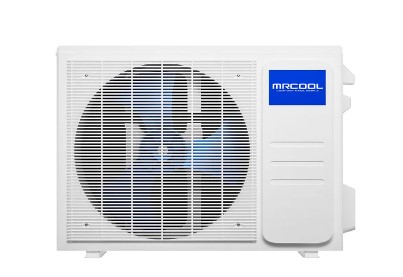
A 12,000 BTU ductless mini-split AC is an air conditioning system that provides 12,000 British Thermal Units of cooling power per hour. It consists of two main components: an indoor air handler and an outdoor condenser unit. These units are connected by refrigerant lines and electrical wiring.
2.2 How Does It Work?
To understand common issues, it’s essential to know how a ductless mini-split AC operates. The indoor unit absorbs warm air from your space, passes it over evaporator coils, and cools it down. The cooled air is then circulated back into the room. Meanwhile, the outdoor unit releases heat absorbed from inside to the outside environment.
Common Issues and Their Causes
3.1 Insufficient Cooling
One of the most common issues users encounter is insufficient cooling. This can be caused by several factors, including clogged air filters, low refrigerant levels, or a malfunctioning thermostat.
DIY Troubleshooting:
-
Check and clean or replace air filters.
-
Verify thermostat settings and ensure they are set to cool.
-
If the issue persists, consult a professional for refrigerant level checks.
3.2 Strange Noises
Unusual noises coming from your AC can be disruptive and indicate underlying problems. These noises may include rattling, buzzing, or grinding sounds.
DIY Troubleshooting:
-
Inspect the unit for loose parts or debris.
-
Tighten any loose components.
-
If the noise persists, contact a technician for further inspection.
3.3 Leaking Water
Water leakage from your indoor unit can be a sign 12,000 BTU ductless mini-split ACs of a clogged condensate drain line or a refrigerant leak.
DIY Troubleshooting:
-
Check and clean the condensate drain line.
-
Ensure that the unit is level.
-
If water leakage continues, seek professional assistance.
3.4 Remote Control Malfunctions
Issues with your remote control can hinder your ability to adjust settings conveniently.
DIY Troubleshooting:
-
Replace remote control batteries.
-
Check for obstructions between the remote and the unit.
-
If problems persist, consider getting a new remote control.
3.5 Ice Formation
Ice buildup on the indoor unit can reduce cooling efficiency and damage components.
DIY Troubleshooting:
-
Turn off the AC and allow the ice to melt.
-
Check for blocked airflow or low refrigerant levels.
-
If ice continues to form, consult a technician.
3.6 Power Supply Problems
If your AC unit doesn’t power on or experiences frequent power disruptions, it can be frustrating.
DIY Troubleshooting:
-
Check the power supply, including the circuit breaker and power switch.
-
Inspect the electrical connections.
-
If the issue persists, contact an electrician.
DIY Troubleshooting Guide
Now that we’ve identified common issues, let’s explore how to troubleshoot them step by step.
4.1 Check the Thermostat Settings
Ensure that the thermostat is set to cool mode and the desired temperature.
4.2 Clean or Replace the Air Filters
Dirty filters can restrict airflow, affecting cooling efficiency. Clean or replace them regularly.
4.3 Inspect and Clean the Condenser and Evaporator Coils
Dust and dirt can accumulate on these coils, reducing their efficiency. Clean them to improve cooling performance.
4.4 Ensure Proper Insulation
Check for gaps around doors and windows to prevent cool air from escaping.
4.5 Examine the Refrigerant Levels
Low refrigerant levels can lead to cooling problems. Consult a professional to check and recharge the refrigerant if needed.
4.6 Verify the Outdoor Unit’s Condition
Inspect the outdoor unit for obstructions or damage. Clear away debris to ensure proper airflow.
4.7 Troubleshoot Remote Control Issues
Replace batteries and remove any obstacles between the remote and the indoor unit.
4.8 Address Ice Buildup
If ice forms, turn off the AC and allow it to melt. Investigate the cause and resolve it.
4.9 Check the Power Supply
Ensure a stable power supply by inspecting the circuit breaker and electrical connections.
Maintenance Tips to Prevent Future Issues
Regular maintenance is key to preventing common AC problems. Schedule professional inspections and cleaning at least once a year. Additionally, change air filters every one to three months to maintain optimal airflow and cooling performance.
Conclusion
DIY troubleshooting common issues with 12,000 BTU ductless mini-split ACs can save you time and money. By following the steps outlined in this guide, you can address many problems on your own. However, for complex issues or those requiring refrigerant handling, it’s advisable to seek professional assistance. Keep your space cool and comfortable by proactively maintaining your ductless mini-split AC.