
One of the most crucial aspects of caring for your newly-arrived bundle of joy is creating a safe sleeping environment.
Babies spend a significant amount of their first months in the world sleeping, after all, and ensuring that their sleeping space is secure is of utmost importance. Read on below for a few essential steps and tips that will help you create a safe and peaceful sleeping space for your little one:
The ABCs of Safe Sleep
Always Place Your Baby on Their Back
The ABCs of safe sleep start with “A” for “Alone.” Sleeping alone minimizes the risk of suffocation, so it’s crucial to place your baby in a crib or bassinet free of any loose bedding, toys, or bumper pads.
The “B” stands for “Back.” Always lay your baby down on their back for naps and nighttime sleep until their first birthday. This position helps reduce the risk of sudden infant death syndrome (SIDS).
Finally, “C” stands for “Crib.” Make sure your baby sleeps in a crib that meets current safety standards. It should have a firm mattress and a well-fitted sheet.
Choose the Right Crib
Choosing the right crib is a vital step to ensuring the safety of your baby while they sleep. One of the easiest ways to tell if a crib is safe is to check if it adheres to the safety standards set by organizations like the Consumer Product Safety Commission, or CPSC. Cribs that meet these standards usually advertise the fact that they do.
Look for cribs that have a sturdy frame, secure hardware, and slats that are no more than 2 and ⅜ inches apart to prevent your baby from getting stuck in the spaces.
Bedding and Sleepwear
Keep It Simple
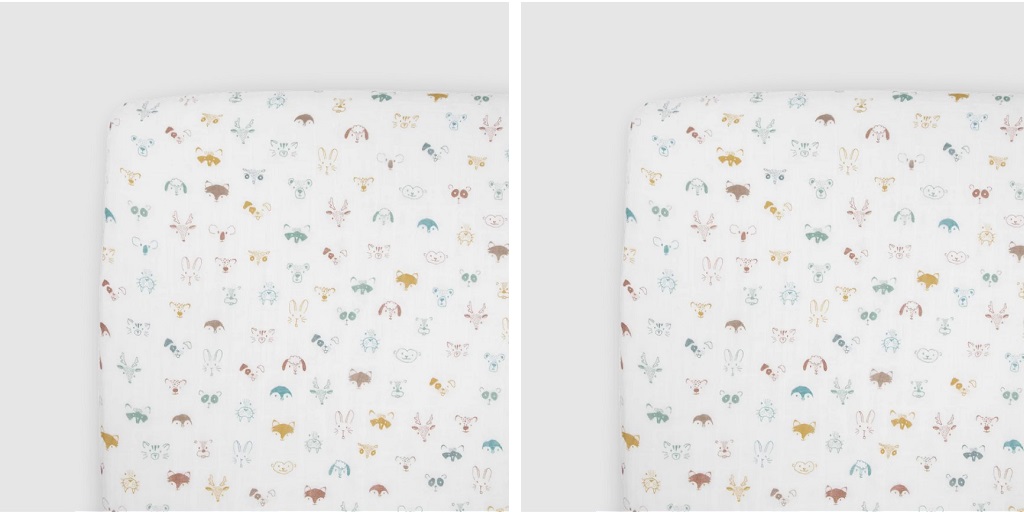
Less is more is the name of the game when it comes to bedding and sleepwear for your baby. Fitted crib sheets that safely and securely fit the mattress, such as the ones sold on Little Unicorn, are the best choice. Little Unicorn’s crib sheets are additionally made out of premium breathable muslin cotton fabric, which will keep your baby comfortable and prevent overheating through the night. Cotton muslin is also supremely soft and won’t irritate your baby’s sensitive skin.
Avoid using blankets, pillows, quilts, or stuffed animals in the crib, as these pose suffocation hazards. Instead, dress your baby in a one-piece sleeper or sleep sack–also sold on Little Unicorn–to keep them warm without the need for additional bedding.
Maintain the Right Temperature
Maintaining the ideal temperature where your baby sleeps is essential, both for their comfort and safety. According to experts, the sweet spot is between 68°F and 72°F (20°C to 22°C). This range will help prevent your baby from overheating, which is one of the risk factors for SIDS. To ensure that you’re staying within it, consider investing in a room thermometer.
Location, Location, Location
Keep the Crib in Your Room
Most parents might be eager to have their baby sleep in the nursery that they’ve designated and painstakingly decorated for them. However, experts recommend keeping your baby’s crib in your bedroom for the first six months, up to a year. Having your baby close by makes nighttime feedings and comforting much more convenient, in addition to reducing the risk of SIDS.
Avoid Co-Sleeping
Co-sleeping, or sharing the same bed with your baby, is an unsafe practice. It increases the risk of suffocation and SIDS! Instead, keep your baby at arms’ reach in their crib or bassinet that has been specifically designed for bedside sleeping.
Creating a safe sleeping space for your baby is a top priority for every parent. Remember that safety guidelines may evolve, so it’s essential to stay updated and informed about the latest recommendations for safe baby sleep. Your baby’s safety and well-being are worth every effort, and a secure sleeping environment is a crucial step in ensuring their healthy development and peaceful slumber.
For more information about Baby Car Seat Covers and Bandana Bibs Please visit: Little Unicorn LLC