
The global chelated minerals market size is in the midst of significant growth, with expectations of a robust Compound Annual Growth Rate (CAGR) of 7.9% during the period 2024-2032. Key regions such as North America, Europe, and Asia are anticipated to play pivotal roles in this expansion. As the demand for mineral supplements and fortified foods continues to rise, it’s crucial for consumers to understand the difference between chelated and inorganic minerals and their respective impacts on health.
Minerals are essential micronutrients that our bodies require for various physiological functions. They are involved in everything from bone health to immune support and energy metabolism. However, not all minerals are created equal, and how they are delivered to our bodies can significantly influence their effectiveness. In this comprehensive guide, we will explore the intriguing debate between chelated minerals and inorganic minerals, aiming to answer the question: Which is better for your health?
Chelated Minerals
Definition and Explanation of Chelation
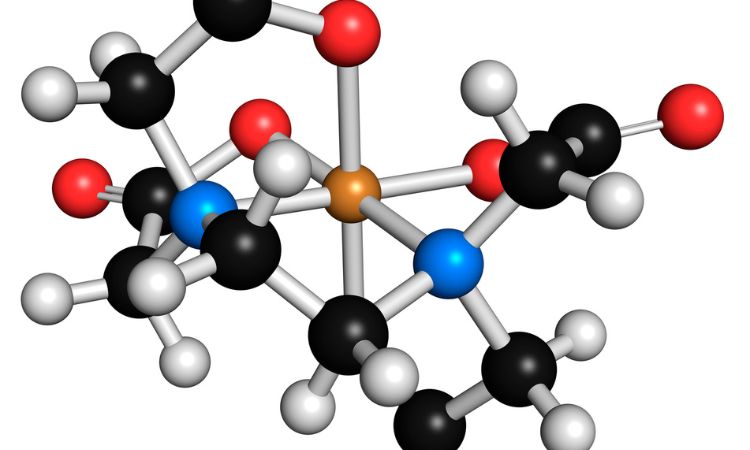
Chelation is a chemical process that involves binding minerals to organic molecules, typically amino acids, to form stable, ring-like structures called chelates. This process enhances the stability and solubility of the mineral, making it easier for the body to absorb.
How Chelation Improves Mineral Absorption
One of the primary advantages of chelated minerals is their enhanced bioavailability. Chelates are more easily absorbed in the digestive tract compared to their inorganic counterparts. This improved absorption means that a higher percentage of the mineral reaches the bloodstream and is available for cellular use.
Examples of Commonly Chelated Minerals
Chelation is most commonly applied to minerals such as iron, zinc, and calcium. These minerals are essential for a wide range of bodily functions, and their absorption can be significantly improved through chelation.
Benefits of Chelated Minerals for Health
1. Increased Bioavailability
Chelated minerals offer superior bioavailability compared to their inorganic counterparts. This means that when you consume chelated minerals, your body can absorb and utilize a more substantial portion of the mineral content, optimizing their health benefits.
2. Reduced Risk of Mineral Toxicity
Chelation helps regulate the release of minerals in the body, reducing the risk of toxicity. This controlled release ensures that excessive amounts of minerals are not suddenly flooding the bloodstream, which can be harmful.
3. Enhanced Nutrient Absorption
Chelated minerals can also improve the absorption of other nutrients. For example, chelated calcium may improve the absorption of vitamin D, further supporting bone health.
Studies and Research Supporting the Advantages of Chelated Minerals
To substantiate the claims about chelated minerals’ superiority, numerous scientific studies have been conducted. We’ll explore some key research findings that highlight the benefits of chelation in various health contexts.
Inorganic Minerals
Explanation of Inorganic Minerals
Inorganic minerals, in contrast, are not bound to organic molecules. They are typically found in nature as salts or oxides and are the form of minerals most commonly encountered in dietary supplements.
How Inorganic Minerals Are Absorbed in the Body
When we consume inorganic minerals, our bodies must break them down into a soluble form before absorption can occur. This process can be less efficient than the absorption of chelated minerals.
Drawbacks and Potential Issues with Inorganic Mineral Supplements
Inorganic mineral supplements do have some drawbacks and potential issues to consider:
1. Lower Bioavailability
Inorganic minerals often have lower bioavailability compared to chelated minerals. This means that a smaller percentage of the mineral is absorbed by the body, which can limit their effectiveness.
2. Risk of Gastrointestinal Discomfort
Consuming large amounts of inorganic minerals can sometimes lead to gastrointestinal discomfort, including upset stomach and constipation. This is due to the body’s struggle to process and absorb these minerals efficiently.
3. Potential Mineral Imbalances
Inorganic minerals can disrupt the balance of other minerals in the body. For example, excessive intake of inorganic calcium may interfere with the absorption of magnesium and zinc.
Comparison to Chelated Minerals in Terms of Health Benefits
Now that we’ve explored the drawbacks of inorganic minerals, it’s important to compare them to chelated minerals in terms of their impact on health.
Applications and Considerations
Chelated Minerals in Dietary Supplements
Chelated minerals are commonly used in dietary supplements, especially in multivitamins and mineral supplements. We’ll delve into how these supplements benefit from chelated minerals and how they can support overall health.
Dietary Sources of Chelated and Inorganic Minerals
Minerals are not just available in supplement form; they are also present in various foods. We’ll provide insights into dietary sources of both chelated and inorganic minerals, helping you make informed choices in your daily nutrition.
Choosing the Right Mineral Supplement for Individual Needs
Individual health needs can vary widely. We’ll discuss how to choose the right mineral supplement based on your specific health goals and requirements.
Safety and Dosage Considerations
Safety is paramount when it comes to mineral supplementation. We’ll outline recommended daily allowances and safe dosage guidelines for various minerals, whether chelated or inorganic.
Conclusion
In conclusion, the global chelated minerals market’s remarkable growth reflects the increasing recognition of the importance of minerals for overall health. While both chelated and inorganic minerals have their place, the choice ultimately depends on individual health goals, dietary preferences, and considerations of bioavailability.
The global chelated minerals market’s projected CAGR of 7.9% from 2024 to 2032 underscores the growing interest in these enhanced mineral forms. Whether you opt for chelated or inorganic minerals, consulting with healthcare professionals and considering your unique nutritional needs is key to making informed choices that promote your health and well-being.
In a world where health is paramount, understanding the nuances of mineral supplementation empowers individuals to take control of their wellness journey and make choices that align with their long-term health goals.