
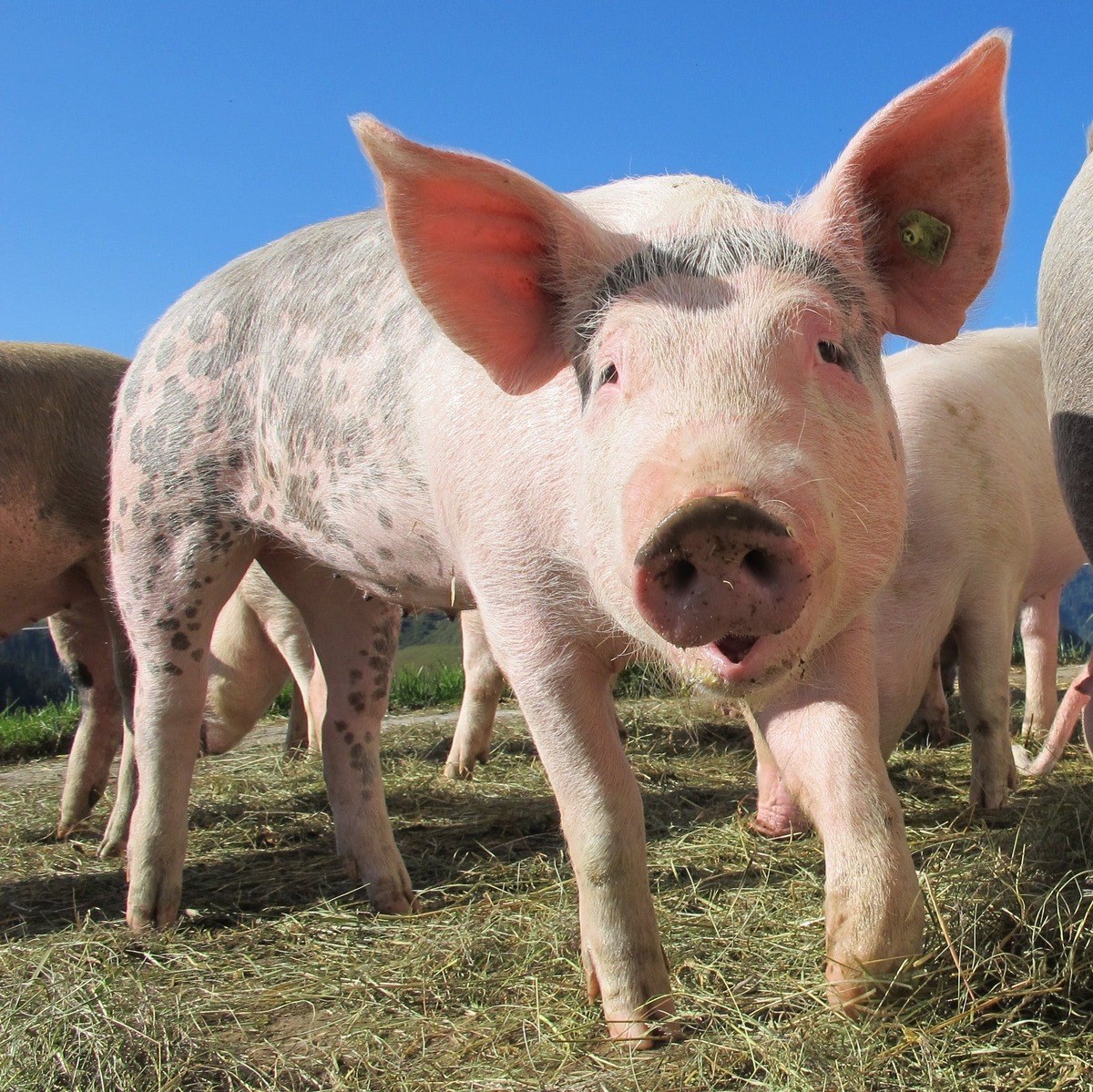
Swine medicine is a specialized area of veterinary practice that focuses on the health and well-being of pigs. Its primary goal is disease prevention and efficient treatment to ensure the welfare of these animals. The relevance of swine medicine to veterinary practice is undeniable. In fact, the health of these farm animals plays a crucial role both in the sustainability of agricultural operations and in public health concerns for potential zoonotic diseases. Providing an overview of swine medicine proves important for understanding its impact and significance within the larger veterinary medicine field.
The Basics of Swine Medicine
Swine Medicine, whilst being a focused area, encompasses a wide array of topics. Primarily among them are swine pathology and physiology. A thorough understanding of swine pathology is essential as it underlies the ability to identify and diagnose diseases in pigs. Swine physiology, on the other hand, gives insight into the normal functioning of pigs, enabling better care and management.
It’s essential to know about the common diseases that affect pigs. Some of these include respiratory diseases like swine influenza, digestive disorders like porcine epidemic diarrhea, and reproductive disorders. Recognizing the symptoms and understanding the causes of these health issues is central to effectively treating pigs. These fundamentals form the basis of swine medicine, driving veterinary professionals to nurture healthier and more productive pigs.
Diagnosis and Treatment in Swine Medicine
The practice of swine medicine heavily revolves around diagnosis and treatment. Diagnosis is a critical step that requires keen observational skills and the ability to use diagnostic tools effectively. Conducting physical examinations, using tools for imaging like ultrasound, and performing laboratory tests are among the various diagnostic methods employed.
Following diagnosis, the focus shifts to treatment. The treatments in swine medicine are varied, depending on the nature and severity of the health issue. They could range from prescribing antibiotics for bacterial infections and administering vaccines to prevent diseases, to performing surgeries in severe cases. Ensuring a balanced diet and maintaining hygienic living conditions also form part of preventive treatments. Swine medicine’s goal is not only to cure but also to manage and prevent diseases, stressing the importance of these diagnostic and treatment practices.
Role of Swine Medicine in Veterinary Practice
The role of swine medicine in veterinary practice extends beyond the care of individual pigs. Swine medicine encompasses the broader picture of pig health management, working closely with farmers, veterinary professionals, and animal health organizations. It provides valuable insights into disease control strategies, welfare standards, and breeding practices.
Swine medicine significantly contributes to the overall animal health landscape. By specializing in the health and welfare of pigs, swine medicine fulfills a major responsibility in animal healthcare. Understanding and managing pig diseases helps in controlling the spread of potential zoonotic diseases, reinforcing the overall role of veterinary medicine in public health. By playing such pivotal roles, swine medicine undeniably forms a cornerstone of the veterinary practice.
Advancements in Swine Medicine
Improvements in technology and pharmaceuticals have significantly impacted swine medicine. Emerging technologies such as precision farming tools, remote monitoring systems, and digital data analysis now aid in the early detection of diseases and enhance the effectiveness of treatments. Adding to it, advancements in pharmaceuticals have improved the quality of medication available for pigs.
These advancements not only enhance the efficiency of medicinal practices but also contribute to overall animal welfare. Improved technologies and treatments lead to less invasive methods of diagnosing and treating diseases, reducing stress for the animals. By embracing and incorporating these advancements, swine medicine reinforces its commitment to high standards of health and welfare for pigs. Incremental strides in technology thus continually shape the best practices in swine medicine.
Key Takeaway
Throughout this overview, we’ve touched on various aspects of swine medicine, emphasizing its significance in veterinary practice. From understanding pig pathology and physiology to leveraging innovative technologies, swine medicine proves instrumental for the welfare of pigs.
Considering the future, swine medicine is poised to evolve further. As we continue to make strides in technology and pharmaceuticals, expectations are high for more effective and efficient treatments. This not only offers an optimistic perspective for swine medicine but also for holistic veterinary practice. In this light, swine medicine will undoubtedly remain a key pillar in the realm of veterinary healthcare.